 en
 vi
Is Collagen Thread Lifting Safe? Where to Get It Done in Ho Chi Minh City?
- 14/08/2026
- Beauty knowledge
Discover whether collagen thread lifting is truly safe and effective. Learn about how the procedure works, its benefits, the medically guided treatment process, and 5 key factors that determine the safety of collagen thread lifting. Explore Muse Clinic in Ho Chi Minh City for personalized skin rejuvenation plans tailored to your needs, with guidance from Korean aesthetic experts.
- What Is Collagen Thread Lifting?
- Is Collagen Thread Lifting Safe?
- 5 Key Factors That Determine the Safety of Collagen Thread Lifting
- 1. The Experience and Qualifications of the Doctor
- 2. Thread Material and Product Origin
- 3. Thread Placement Technique
- 4. Sterile Conditions and Infection Control
- 5. Post-Treatment Monitoring and Aftercare
- Benefits of Collagen Thread Lifting
- Supports Lifting of Mildly Sagging Skin
- Stimulates Collagen Remodeling
- Does Not Require a Surgical Facelift
- Relatively Short Treatment Time
- Who Is a Suitable Candidate for Collagen Thread Lifting?
- What Happens During a Collagen Thread Lifting Procedure?
- Step 1: Consultation and Assessment
- Step 2: Treatment Planning
- Step 3: Cleansing and Local Anesthesia
- Step 4: Thread Placement
- Step 5: Final Assessment and Aftercare Instructions
- How to Care for Your Skin After Collagen Thread Lifting
- Where to Get Collagen Thread Lifting in Ho Chi Minh City
- Collagen Thread Lifting at Muse Clinic
- Frequently Asked Questions About Collagen Thread Lifting
- 1. Is Collagen Thread Lifting Painful?
- 2. Does Collagen Thread Lifting Cause Swelling?
- 3. How Long Do Collagen Thread Lifting Results Last?
- 4. Can Thread Lifting Replace a Surgical Facelift?
- 5. How Often Should You Repeat Collagen Thread Lifting?
- Conclusion
Is Collagen Thread Lifting Safe? Where to Get It Done in Ho Chi Minh City?
Collagen thread lifting is a popular non-surgical facial rejuvenation treatment for people experiencing skin laxity, reduced firmness, and less-defined facial contours. The procedure involves inserting biocompatible threads into the subcutaneous tissue to provide lifting support and stimulate collagen production.
However, because the procedure involves inserting threads into the tissue beneath the skin, “Is collagen thread lifting safe?” remains an important question to consider before making a decision. Safety depends not only on the thread material but also on patient selection, the practitioner's expertise, clinical conditions, and post-treatment care.

If you are considering collagen thread lifting in Ho Chi Minh City, understanding the procedure, its potential benefits, risks, and essential safety factors can help you make a more informed decision.
What Is Collagen Thread Lifting?
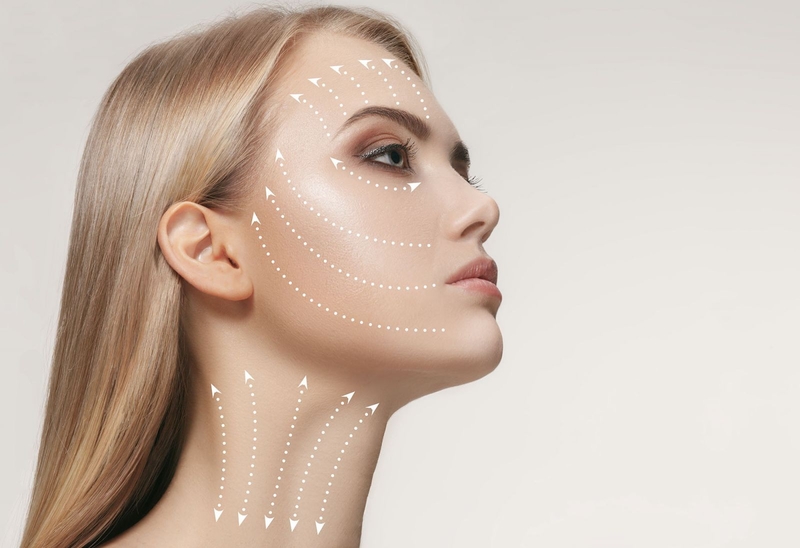
Collagen thread lifting, also known as bio-thread lifting, is a minimally invasive facial rejuvenation procedure that uses specialized threads inserted into the subcutaneous tissue with needles or dedicated instruments.
When positioned correctly, the threads provide mechanical support to soft tissue, helping improve mild to moderate skin laxity and facial contour definition. The presence of the threads may also stimulate collagen remodeling around the treated area, potentially contributing to improved skin firmness and quality over time.
Unlike surgical facelifts, collagen thread lifting does not require large incisions or the removal of excess skin. As a result, the procedure generally involves less extensive intervention and may require a shorter recovery period.
However, thread lifting cannot permanently stop the aging process. Results change over time as the body continues to age, and the outcome depends on factors such as thread type, treatment technique, skin condition, and individual healing responses.
Is Collagen Thread Lifting Safe?
Collagen thread lifting can be performed safely when the procedure is appropriately indicated, suitable materials are used, and a qualified medical practitioner performs it in a properly equipped and authorized medical facility.
However, thread lifting is not entirely risk-free. Because it involves inserting material into the tissue beneath the skin, temporary side effects such as swelling, bruising, soreness, and a feeling of tightness may occur during the initial recovery period.
Less common complications may include infection, hematoma, facial asymmetry, visible or protruding threads, and persistent discomfort. The likelihood of complications can depend on the treatment technique, the materials used, and individual factors.
Therefore, when evaluating the safety of collagen thread lifting, it is essential to consider the entire treatment process rather than focusing solely on choosing a high-quality thread.
5 Key Factors That Determine the Safety of Collagen Thread Lifting
1. The Experience and Qualifications of the Doctor
Thread lifting requires a thorough understanding of facial anatomy and soft tissue structures. Before treatment, the doctor should assess your skin condition, degree of laxity, facial anatomy, medical history, and aesthetic goals.
Choosing a qualified medical practitioner with appropriate training and experience is essential for reducing avoidable risks.
2. Thread Material and Product Origin
The threads used should have a verifiable source, transparent product information, and appropriate indications for the intended treatment area.
Rather than choosing a procedure based solely on advertised results or price, ask about the specific thread product, its composition, and its regulatory status.
3. Thread Placement Technique
The depth, position, direction, and tension of the threads must be carefully planned for each treatment area.
Incorrect placement or excessive tension may increase the risk of prolonged swelling, asymmetry, discomfort, or visible threads. Proper technique is therefore essential for both safety and aesthetic outcomes.
4. Sterile Conditions and Infection Control
Because thread lifting involves introducing material beneath the skin, appropriate sterilization, infection control, and aseptic techniques are essential.
The procedure should be performed in a suitable medical setting that follows established infection-prevention protocols.
5. Post-Treatment Monitoring and Aftercare
Following aftercare instructions can help support recovery and reduce unnecessary pressure or trauma to the treated area.
Patients should receive clear guidance on wound care, activity restrictions, warning signs, and follow-up appointments when needed.
Benefits of Collagen Thread Lifting
Compared with a surgical facelift, collagen thread lifting involves less extensive intervention and does not require large incisions. Potential benefits include the following.
Supports Lifting of Mildly Sagging Skin
Threads placed beneath the skin can provide mechanical support to soft tissue, potentially improving facial contours in selected cases of mild to moderate skin laxity.
Stimulates Collagen Remodeling
In addition to the initial lifting effect, the presence of threads may stimulate collagen remodeling around the treated tissue. This process may contribute to improvements in skin firmness and quality over time.
Does Not Require a Surgical Facelift
Collagen thread lifting does not involve the large incisions or removal of excess skin associated with a surgical facelift. Depending on the individual's recovery, patients may be able to resume daily activities according to their doctor's instructions.
Relatively Short Treatment Time
The duration of the procedure depends on the treatment area, number of threads, and technique used. Your doctor should explain the expected treatment time and recovery requirements during the consultation.
It is important to note that results vary between individuals, and thread lifting does not provide the same degree of correction as surgical lifting for significant skin laxity.
Who Is a Suitable Candidate for Collagen Thread Lifting?
Collagen thread lifting may be considered for individuals beginning to experience mild to moderate signs of aging who want to improve facial contours without undergoing surgery.
Potential concerns that may be assessed include:
-
Reduced skin firmness and early skin laxity.
-
Less-defined jawline contours.
-
Mild sagging in the cheek area.
-
Early signs of aging and facial wrinkles.
-
A desire to improve skin support and facial definition through a less invasive approach than surgery.
Conversely, individuals with significant skin sagging or substantial excess skin may not achieve their desired results with thread lifting alone. A doctor should assess the condition and discuss more appropriate alternatives when necessary.
Age alone should not determine whether someone is suitable for the procedure. Skin condition, facial anatomy, the degree of laxity, and individual treatment goals are more relevant considerations.
What Happens During a Collagen Thread Lifting Procedure?
A medically guided thread lifting procedure should begin with a consultation and clinical assessment rather than proceeding directly to treatment.
Step 1: Consultation and Assessment
The doctor evaluates skin condition, the degree of laxity, soft tissue structure, medical history, and aesthetic goals to determine whether thread lifting is appropriate.
Step 2: Treatment Planning
The doctor marks the treatment areas and determines the placement and direction of the threads according to the individual's facial anatomy.
Step 3: Cleansing and Local Anesthesia
The treatment area is cleansed and disinfected. Local anesthesia is administered as appropriate to help minimize discomfort.
Step 4: Thread Placement
The doctor uses specialized instruments to insert the threads into the planned tissue layers, following the treatment design.
Step 5: Final Assessment and Aftercare Instructions
After the procedure, the treated area is checked. The patient receives instructions on aftercare, activities to avoid, warning signs to monitor, and follow-up visits when necessary.
How to Care for Your Skin After Collagen Thread Lifting
Post-treatment care is an important part of recovery. Your doctor may recommend the following precautions:
-
Avoid unnecessary touching, pressing, or forceful manipulation of the treated area.
-
Limit excessive facial movements during the initial recovery period if advised.
-
Avoid sleeping positions or activities that place pressure on the treated area.
-
Take prescribed medication only as directed by your doctor.
-
Follow instructions for cleaning and caring for the thread insertion sites.
-
Avoid strenuous exercise, saunas, and other activities that may affect recovery for the period recommended by your doctor.
-
Attend follow-up appointments and contact your treating clinic if unusual symptoms develop.
Seek prompt medical attention if you experience worsening pain, increasing redness or swelling, fever, discharge, skin discoloration, or other concerning symptoms.
Where to Get Collagen Thread Lifting in Ho Chi Minh City
Collagen thread lifting is a medical procedure that should be performed in an appropriate clinical setting. Instead of choosing a provider based solely on low prices or promotional claims, consider the following factors:
-
A qualified doctor personally conducts the consultation and performs the procedure.
-
The facility holds the appropriate operating license and authorization for the services provided.
-
Thread materials have a verifiable source and clear product information.
-
Sterile procedures and infection-control protocols are followed.
-
A medical assessment takes place before treatment is recommended.
-
The treatment plan is tailored to the patient's actual skin condition and facial anatomy.
-
Clear aftercare instructions and appropriate follow-up are provided.
Taking time to verify these details can help you make a more informed decision when choosing a collagen thread lifting provider in Ho Chi Minh City.

Collagen Thread Lifting at Muse Clinic
At Muse Clinic in Ho Chi Minh City, collagen thread lifting consultations and personalized treatment planning are offered with an emphasis on individual facial anatomy, skin condition, and aesthetic goals.
Dr. Choi Hang Seok, described by the clinic as a professor in the Department of Surgery at The Catholic University of Korea with more than 20 years of experience, is involved in assessing skin laxity, soft tissue structure, and facial contours to determine an appropriate treatment approach.
Based on the consultation, the doctor can evaluate suitable thread placement, technique, and treatment areas for each individual rather than applying a single standardized approach to every patient.
A personalized plan should take into account the degree of skin laxity, medical history, expected results, and potential risks. The doctor should also explain alternative treatments when thread lifting may not be the most suitable option.
Appropriate patient selection, sound technique, and qualified medical care are essential considerations when pursuing collagen thread lifting.
If you are considering collagen thread lifting at Muse Clinic, arrange a consultation to discuss your concerns, understand the available options, and determine whether the procedure is suitable for you.
Frequently Asked Questions About Collagen Thread Lifting
1. Is Collagen Thread Lifting Painful?
Local anesthesia is generally used to reduce discomfort during the procedure. After treatment, some people may experience mild soreness, tightness, or tenderness during the initial recovery period.
2. Does Collagen Thread Lifting Cause Swelling?
Mild swelling or bruising may occur after the procedure. The severity varies according to individual healing responses, the treatment area, the number of threads used, and the technique.
3. How Long Do Collagen Thread Lifting Results Last?
Results vary from person to person. Their duration depends on the thread type, tissue condition, degree of aging, individual healing responses, and aftercare. Your doctor can explain the expected duration based on your treatment plan, although no specific duration can be guaranteed.
4. Can Thread Lifting Replace a Surgical Facelift?
Not entirely. Thread lifting may be more appropriate for selected cases of mild to moderate skin laxity. For significant sagging or substantial excess skin, a surgical facelift or another treatment may provide a more appropriate outcome.
5. How Often Should You Repeat Collagen Thread Lifting?
There is no universal schedule for repeating the procedure. Whether another treatment is appropriate should be determined through a follow-up assessment of your skin condition, the results achieved, and your ongoing aesthetic goals.
Conclusion
Collagen thread lifting can be an option for selected individuals who want to improve facial contours and mild to moderate skin laxity without undergoing a surgical facelift. However, it is still an invasive medical procedure with potential side effects and complications.
Before proceeding, prioritize a qualified doctor, appropriately sourced thread materials, sterile clinical conditions, individualized treatment planning, and proper aftercare.
If you are looking for collagen thread lifting in Ho Chi Minh City, Muse Clinic offers personalized consultations to help you explore suitable facial rejuvenation options based on your skin condition and aesthetic goals.
Contact Muse Clinic to arrange a consultation and discuss whether collagen thread lifting is an appropriate choice for you.
Other articles






Opening Hours:
Monday - Sunday: 10:00 AM – 8:00 PM
Business Registration Number: 0314668743
Issued on: October 9, 2017
Issued by: Ho Chi Minh City Department of Planning and Investment
Medical Practice License: No. 04818/HCM-GPHĐ