 en
 vi
Post-Acne Skincare: The Key to Restoring Healthy, Radiant Skin
- 12/11/2026
- Beauty knowledge
Acne may be gone, but are you still dealing with post-acne redness, dark spots, pitted scars, enlarged pores, and uneven skin texture? Join Muse Clinic as we explore common post-acne skin concerns and discover the right skincare solutions to restore a smoother, healthier-looking complexion.
Post-Acne Skincare: The Key to Restoring Healthy, Radiant Skin
After acne treatment, your skin may not always return to its original healthy state. Concerns such as dark spots, post-acne redness, pitted scars, enlarged pores, and rough skin texture can persist even after active breakouts have disappeared.
This is because acne-related inflammation can leave lasting changes in skin pigmentation and structure. In other words, clearing acne does not necessarily mean your skin has fully recovered.
So, what are the most common post-acne skin concerns, and how can they be improved? Join Muse Clinic as we explore the right ways to care for and restore your skin.

What Are the Most Common Skin Concerns After Acne?
Even after inflammatory acne has been brought under control, the skin may still show signs of residual damage. Depending on the severity of inflammation, acne type, individual skin characteristics, and previous skincare habits, you may experience one or several of the following concerns.
1. Post-Acne Dark Spots – Post-Inflammatory Hyperpigmentation (PIH)
Post-acne dark spots, also known as post-inflammatory hyperpigmentation (PIH), develop when inflammation stimulates excess melanin production, causing previously affected areas to appear darker.
Common characteristics include:
- Appearing in areas where acne lesions once developed.
- Ranging in color from light brown to dark brown or gray.
- Having a relatively flat skin surface without visible depressions.
- Potentially lasting for several months, especially without adequate sun protection.
Post-acne dark spots are not scars but rather changes in skin pigmentation. They can gradually fade over time, although the rate of improvement depends on the extent of inflammation, skin type, and skincare routine.
2. Post-Acne Redness – Persistent Red Marks on the Skin
Post-acne redness typically appears as pink or red patches in areas where acne lesions have healed. This condition is associated with changes in the blood vessels and residual inflammatory responses following skin damage.
Common signs include:
- Red or pink spots appearing where previous acne lesions were located.
- A generally flat skin surface without necessarily forming depressed scars.
- Redness that persists even after the acne has subsided.
- Greater visibility in some cases when the skin becomes irritated.
Post-acne redness and brown spots develop through different mechanisms. Identifying the correct condition is therefore essential when choosing an appropriate approach to improve the skin.
3. Post-Acne Scarring – When Skin Texture Becomes Uneven
Atrophic acne scars commonly develop following severe inflammatory acne. During the healing process, collagen loss in damaged areas can result in visible depressions on the skin's surface.
Atrophic acne scars are generally classified into three main types:
- Ice Pick Scars: Narrow, deep indentations that resemble tiny puncture marks on the skin.
- Boxcar Scars: Round or oval depressions with relatively defined edges and a distinct base.
- Rolling Scars: Broad, shallow depressions with sloping edges, creating an uneven, wave-like skin texture.
Each scar type has a different structural characteristic, meaning the same improvement method may not be suitable for every case. Assessing the scar type, depth, and overall skin condition is an important step before selecting a treatment approach.
4. Enlarged Pores – Uneven and Rough Skin Texture
After acne, pores around the cheeks, nose, and chin may become more noticeable. This condition is often associated with several factors, including:
- Overactive sebaceous glands, making pores appear more prominent.
- Excess oil and dead skin cell buildup that can contribute to clogged pores.
- Changes in the structure and elasticity of the surrounding skin.
- Atrophic scars and post-acne damage that create an uneven skin texture.
When combined with rough texture and post-acne marks, enlarged pores can make the complexion appear less smooth, dull, and less radiant.
5. A Weakened Skin Barrier – Dryness and Increased Sensitivity
Improper use of retinoids, benzoyl peroxide, or exfoliating acids can compromise the skin barrier, particularly when multiple active ingredients are combined.
Common signs include:
- Tightness and dryness after cleansing.
- Stinging or tingling when applying skincare products.
- Peeling, flaking, or visible redness.
- Increased sensitivity to everyday skincare products.
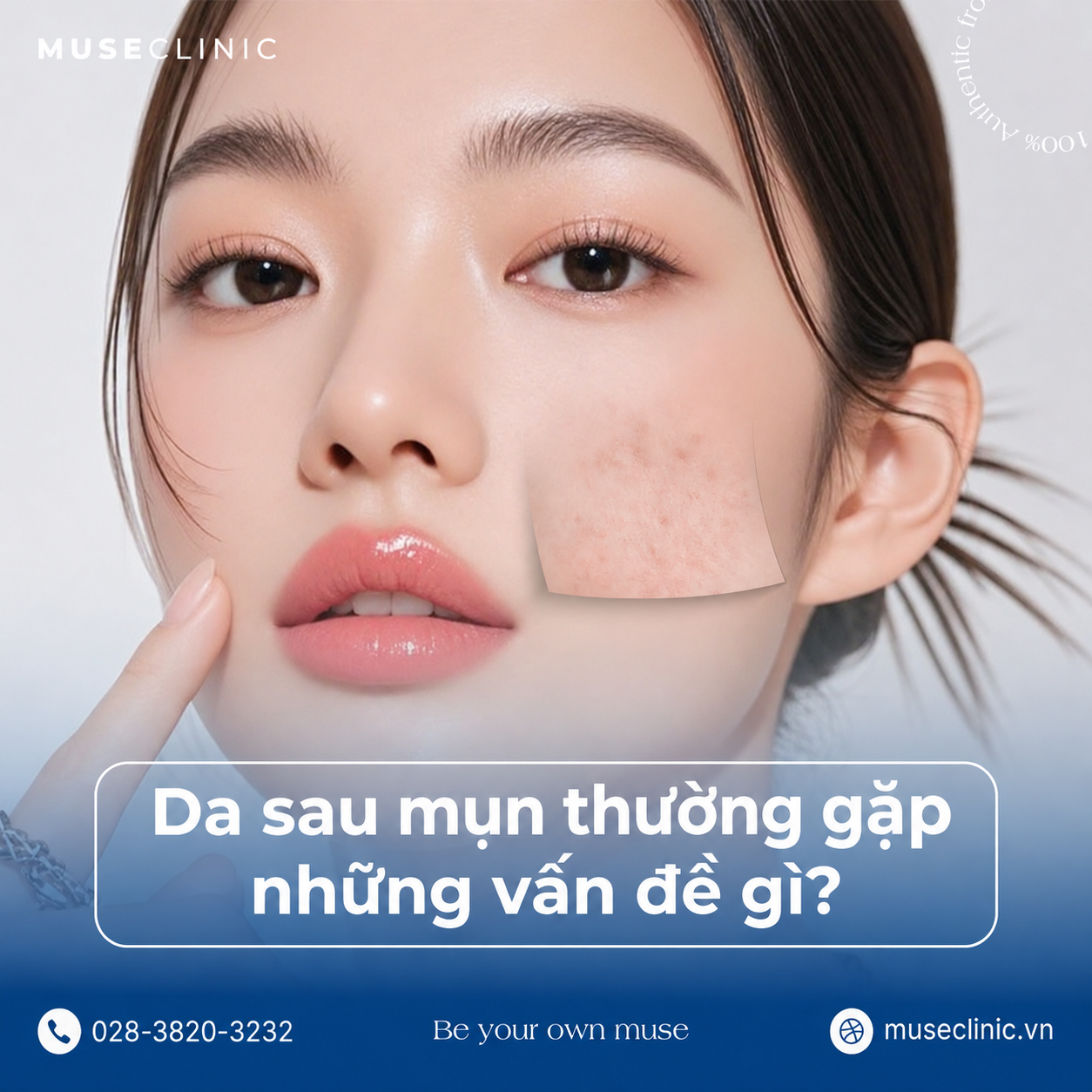
In these cases, continuing to use strong active ingredients without adjusting your skincare routine may prolong discomfort and further compromise the skin barrier.
Why Has Your Skin Not Fully Recovered After Acne?
Not everyone experiences the same skin concerns after acne. The extent of skin damage and its ability to recover depend on several factors.
1. Prolonged Inflammation
Deep inflammatory acne, nodules, and cysts can cause more extensive damage to the underlying skin tissue. When inflammation persists, the risk of developing post-acne marks and scars may also increase.
2. Improperly Popping or Treating Acne
Incorrect extraction techniques, applying excessive pressure, or repeatedly picking at acne lesions can intensify inflammation, damage skin tissue, and increase the likelihood of post-acne pigmentation and scarring.
3. Inadequate Sun Protection
UV exposure can stimulate melanin production, making areas affected by post-inflammatory hyperpigmentation appear darker and take longer to fade.
This is why daily sun protection plays an essential role in post-acne skincare and skin recovery.
4. Using Unsuitable Skincare Products
Choosing unsuitable products, combining too many active ingredients, or frequently changing your skincare routine can lead to irritation, dryness, and increased sensitivity.
In particular, when the skin barrier is already compromised, excessive use of active ingredients may make recovery more difficult.
5. Focusing Only on Acne Treatment Without Addressing Skin Recovery
Many people stop their intensive skincare routine as soon as their acne improves. However, residual concerns such as dark spots, scars, redness, and uneven skin texture still require attention.
This is the stage when your skin condition should be reassessed to determine the most appropriate skincare approach, rather than continuing to use the same acne-focused products.
How to Effectively Improve Post-Acne Skin
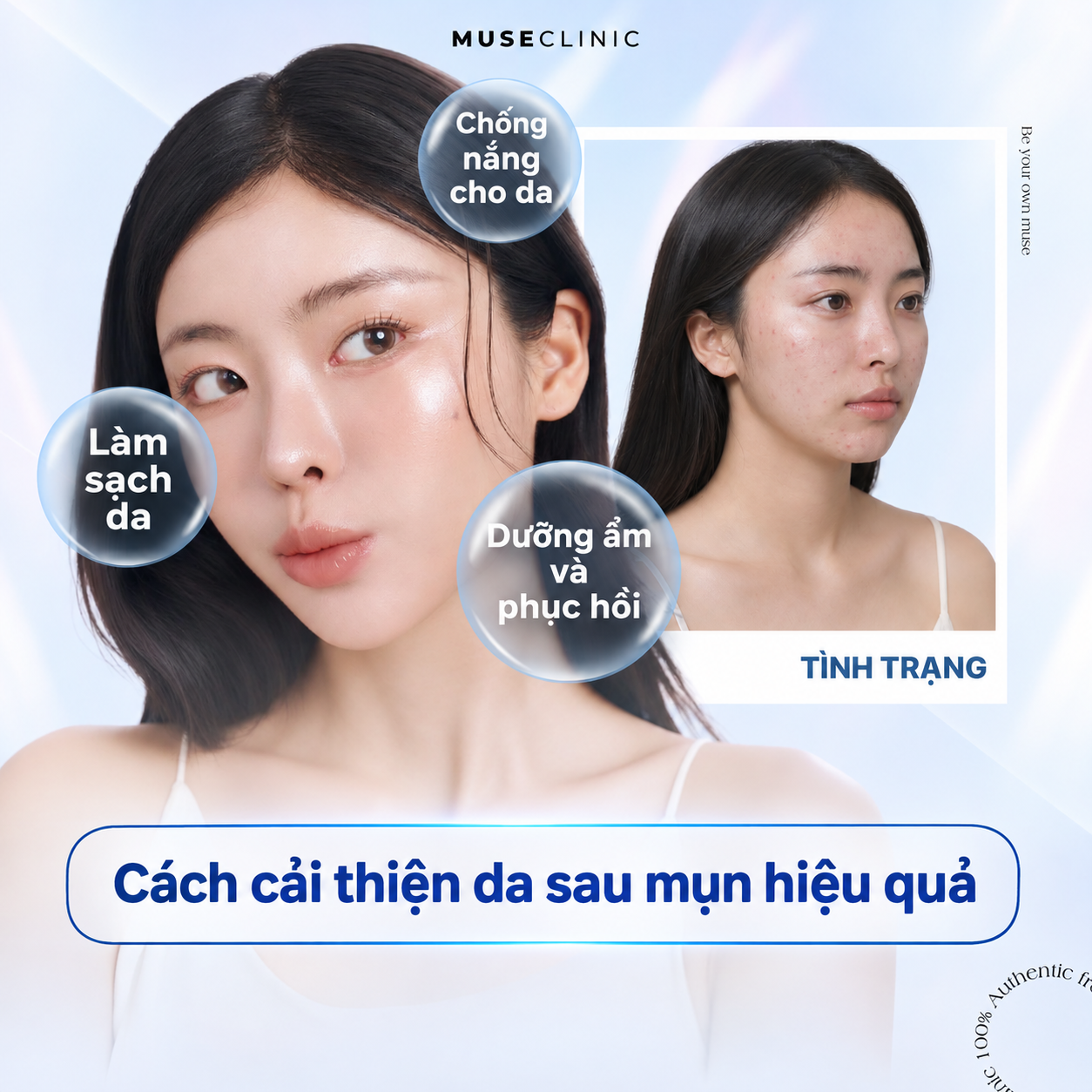
When it comes to improving post-acne skin, using more products is not necessarily the answer. The most important step is identifying your specific skin concerns and choosing an appropriate approach.
Here are some essential skincare principles to consider.
1. Cleanse Gently
Choose a cleanser suited to your skin type that effectively removes dirt and excess oil without leaving your skin feeling tight or dry.
Avoid harsh scrubbing, overly stripping cleansers, and washing your face excessively throughout the day.
2. Hydrate and Restore the Skin Barrier
Moisturizing is an essential step in maintaining skin hydration and supporting the skin barrier.
Consider products containing ingredients such as:
- Ceramides: Help strengthen and support the skin barrier.
- Hyaluronic Acid: Helps maintain skin hydration.
- Panthenol (Vitamin B5): Helps soothe the skin and maintain moisture.
- Glycerin: A humectant that attracts moisture and helps keep the skin soft and supple.
Product selection should be based on your actual skin condition, especially if your skin is currently sensitive or prone to irritation.
3. Incorporate Active Ingredients to Improve Post-Acne Marks
For brown spots and post-inflammatory hyperpigmentation, several active ingredients may be considered as part of your skincare routine:
- Niacinamide: Helps improve uneven skin tone and support the skin barrier.
- Vitamin C: Provides antioxidant protection and helps improve the appearance of uneven skin tone.
- Azelaic Acid: May help address acne and post-inflammatory hyperpigmentation.
- Retinoids: Support skin cell turnover and help improve certain skin texture concerns.
Avoid combining too many potent active ingredients at once. Concentrations and application frequency should be adjusted according to your skin's tolerance to minimize the risk of irritation.
4. Protect Your Skin from Sun Exposure Every Day
Sun protection is an essential part of post-acne skincare, particularly for those experiencing dark spots or hyperpigmentation.
Choose a broad-spectrum sunscreen with SPF 30 or higher, apply an adequate amount, and reapply as directed, especially when spending time outdoors.
Combining sunscreen with appropriate protective measures, such as wearing hats and seeking shade, can help minimize UV-related skin damage.
5. Consider Professional Skin Treatments
For concerns such as persistent post-acne marks, atrophic scars, or uneven skin texture, an at-home skincare routine may not always be sufficient to address the desired improvements.
In such cases, professional treatments may be considered based on your skin condition and individual goals.
At Muse Clinic, clients can receive a professional skin assessment and personalized recommendations for specific concerns, including:
- Laser Toning, Laser Gold Toning, and Laser Dual Toning: May help improve various skin pigmentation concerns.
- Laser Fraxel and Exo RF Needle: May be considered for skin with uneven texture and certain post-acne concerns.
- Aqua Peel, LHA Peel, and LDM: May be recommended as part of professional cleansing, skincare, and skin texture improvement protocols.
Each treatment has its own mechanism of action, indications, and limitations. Therefore, treatment selection should be based on the actual skin condition, severity of damage, and individual skin response.
In particular, if active inflammatory acne is still present, controlling the breakouts should generally take priority before proceeding with treatments targeting post-acne marks and scars.
At Muse Clinic, post-acne skincare begins with understanding your skin. Every client receives personalized recommendations based on their individual concerns, rather than a one-size-fits-all treatment approach.
When Should You Consider Professional Post-Acne Skin Treatments?
You may want to consider a professional skin assessment if you experience any of the following:
- Persistent brown or red post-acne marks that affect your skin's overall appearance.
- Noticeable atrophic scars around the cheeks, temples, or chin.
- Prominent pores and uneven skin texture.
- Frequent dryness, peeling, or irritation following acne treatment.
- Recurring acne despite consistent at-home skincare and treatment.
A proper skin assessment helps identify which concerns should be prioritized, allowing a more suitable and personalized skincare plan to be developed.

Contact Muse Clinic for a professional assessment of your post-acne skin condition and personalized recommendations to help you choose the most suitable skincare approach.
Other articles





Opening Hours:
Monday - Sunday: 10:00 AM – 8:00 PM
Business Registration Number: 0314668743
Issued on: October 9, 2017
Issued by: Ho Chi Minh City Department of Planning and Investment
Medical Practice License: No. 04818/HCM-GPHĐ