 en
 vi
Dry, Sagging Skin: Causes and Effective Treatment Solutions
- 19/08/2026
- Beauty knowledge
Dry, sagging skin occurs when the skin lacks adequate moisture while collagen levels decline, leaving the surface rough and facial contours gradually less defined. This condition can result from aging, UV exposure, or improper skincare, calling for a combined approach that restores skin hydration and supports deeper skin tightening. Join Muse Clinic as we explore the causes of dry, sagging skin and effective ways to address it below!
- What Is Dry, Sagging Skin?
- What Causes Dryness and Sagging Skin?
- Aging and the Decline of Collagen and Elastin
- UV Exposure and Damage to Skin Structure
- A Weakened Skin Barrier
- Dehydration and Insufficient Skin Moisture
- Rapid Weight Changes
- Lifestyle Habits and Skincare Practices
- Effective Ways to Improve Dry, Sagging Skin
- Moisturize and Restore the Skin Barrier
- Apply Sunscreen Every Day
- Incorporate Active Ingredients to Improve Skin Quality
- Skin Booster Injections to Improve Hydration and Skin Quality
- Skin Tightening and Rejuvenation Technologies for Sagging Skin
- How Can You Prevent Dry, Sagging Skin from Getting Worse?
- Conclusion
Dry, Sagging Skin: Causes and Effective Treatment Solutions
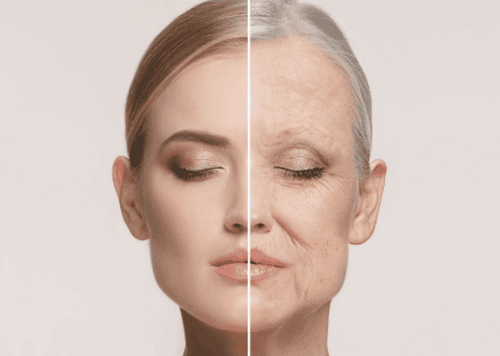
Dry, sagging skin is a common concern in which the skin becomes dehydrated and less smooth while gradually losing its firmness. When the skin loses its natural moisture, its surface may become rough and dull, with fine lines becoming more visible. At the same time, delicate facial contours around the cheeks, corners of the mouth, and jawline may begin to sag and appear less defined.
This condition does not affect only older women. Prolonged dehydration, excessive sun exposure, an unsuitable skincare routine, and age-related collagen decline can all contribute to the premature loss of skin smoothness and suppleness.
So, what causes dry, sagging skin, and how can it be improved? Let’s explore the causes and solutions with Muse Clinic in the article below!

What Is Dry, Sagging Skin?
Dry, sagging skin is a condition in which the skin experiences both moisture deficiency and reduced elasticity. Dry skin often feels tight and rough, may flake, and can develop fine lines more easily. Sagging skin, meanwhile, is more closely associated with declining collagen and elastin levels, as well as changes in soft tissue over time.
These two concerns can occur simultaneously. Dehydrated skin can make fine lines more noticeable, while a decline in the skin’s supporting structures can cause the face to appear less firm. Therefore, focusing solely on hydration while overlooking reduced elasticity—or tightening the skin without addressing underlying dryness—may not deliver comprehensive results.
What Causes Dryness and Sagging Skin?
Aging and the Decline of Collagen and Elastin
This is one of the most significant contributing factors. Over time, the body's natural production of collagen and elastin tends to decrease, while the skin’s underlying support structure gradually changes.
As a result, the skin loses elasticity, becoming thinner and less firm. Areas such as the cheeks, corners of the mouth, and jawline may begin to show signs of laxity. When dehydration occurs at the same time, fine lines may become even more prominent.
UV Exposure and Damage to Skin Structure
Sun exposure is one of the major factors contributing to premature skin aging.
UV radiation can damage collagen and elastin, weakening the skin’s supporting structure. Prolonged sun exposure without adequate protection may leave the skin drier, more uneven in tone, and less elastic.
That is why sun protection does more than help prevent dark spots and pigmentation. It is also an essential step in protecting collagen and maintaining skin firmness.

A Weakened Skin Barrier
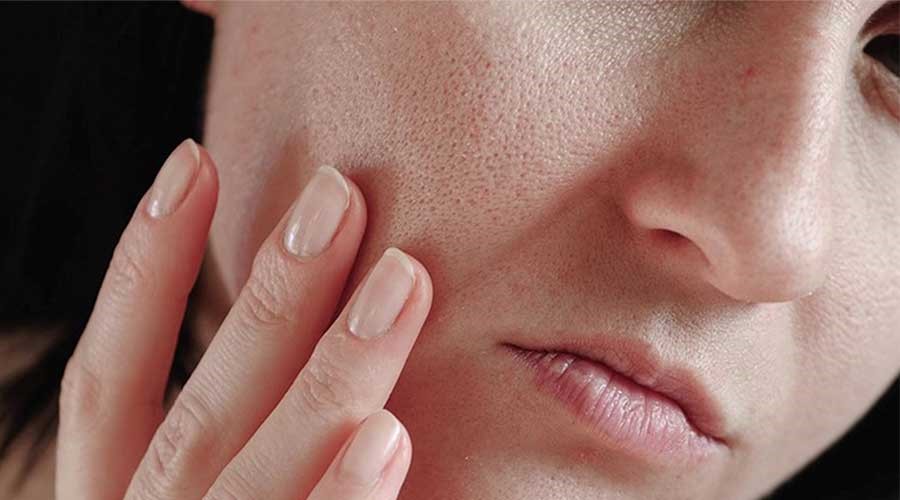
The skin barrier helps minimize moisture loss and maintain a stable environment on the skin’s surface.
When the barrier is compromised by excessive cleansing, harsh cleansers, over-exfoliation, or unsuitable skincare products, the skin may lose moisture more easily.
Common signs include:
-
Tightness after cleansing.
-
Roughness and flaking.
-
Increased redness or stinging.
-
More noticeable fine lines.
-
Makeup that looks patchy or cakey instead of smooth.
Dehydration and Insufficient Skin Moisture
Dehydration or an inadequate skincare routine can cause the skin to lose its naturally plump appearance.
However, it is important to distinguish between dehydration of the body and a lack of moisture in the skin. Drinking enough water is essential for overall health, but maintaining the skin barrier also requires appropriate moisturization and a suitable skincare routine.
Rapid Weight Changes
Rapid weight loss can change soft-tissue volume, leaving the skin less able to adapt, particularly around the cheeks, chin, and jawline.
If the skin already has reduced elasticity, sagging may become more noticeable after significant weight loss.
Lifestyle Habits and Skincare Practices
Insufficient sleep, prolonged stress, smoking, an unbalanced diet, and frequent exposure to hot or dry environments can negatively affect skin health.
In addition, skipping sunscreen or frequently switching skincare products may make it harder to maintain a stable skin condition.
Effective Ways to Improve Dry, Sagging Skin
Moisturize and Restore the Skin Barrier
This is the first step if your skin feels dry, tight, or flaky.
A basic skincare routine should focus on:
-
Gentle cleansing.
-
Consistent morning and evening moisturization.
-
Ingredients such as ceramides, glycerin, and hyaluronic acid.
-
Limiting products that may cause dryness or irritation when the skin is sensitive.
-
Avoiding excessive exfoliation.
When the skin barrier is strengthened, its ability to retain moisture can improve, helping the skin feel softer and look smoother.
Apply Sunscreen Every Day
No complete anti-aging skincare routine is without sun protection.
Use a broad-spectrum sunscreen with an appropriate SPF and reapply as needed. When spending extended periods outdoors, combine sunscreen with a hat, sunglasses, and protective clothing.
Protecting the skin from UV radiation helps limit cumulative damage to collagen and elastin, supporting skin firmness over time.
Incorporate Active Ingredients to Improve Skin Quality
Once the skin has stabilized, consider ingredients suited to your skincare goals.
Retinoids are commonly used in anti-aging routines because they help promote skin cell turnover and improve skin texture.
Vitamin C can provide antioxidant support and help improve the appearance of the complexion.
Peptides are also commonly incorporated into skincare products designed to maintain and improve skin quality.
However, dry skin should not be exposed to too many active ingredients at once. If the skin barrier is compromised, prioritize moisturization and barrier repair first.
Skin Booster Injections to Improve Hydration and Skin Quality
When the skin remains dry, rough, or lacks radiance despite an at-home skincare routine, a doctor may consider Skin Booster treatments.
Unlike fillers, which are used to restore volume or contour specific areas of the face, Skin Boosters generally focus more on improving skin quality, depending on the formulation and mechanism of each product.
At Muse Clinic, doctors may recommend different Skin Booster options according to individual treatment goals, including:
-
Smooth Skin (Skinvive): Designed to improve skin hydration and smoothness.
-
Glowy Skin (Rejuran Healer): Supports skin renewal and improvements in skin quality.
-
Restylane for Radiant Skin: Focuses on hydration and a smoother, plumper-looking complexion.
-
Profhilo and Purihilo: Designed to support hydration and improve skin quality and firmness.
Skin Tightening and Rejuvenation Technologies for Sagging Skin
If the primary concern is no longer just dryness but also visible laxity, a less-defined jawline, or reduced skin firmness, a doctor may consider appropriate skin-tightening treatments.
Depending on the degree of aging and facial structure, technologies such as Titanium Lifting 3IN1, HIFU Shurink, InMode V Lifting, SMAS Ultherapy, or Thermage FLX may be selected based on clinical assessment.
These technologies work through different mechanisms, but they share the goal of improving skin firmness and the appearance of facial contours.
Importantly, not every skin-tightening technology is suitable for every skin condition. For skin that is both dry and sagging, a doctor should assess skin quality and the degree of laxity before developing a treatment plan.
How Can You Prevent Dry, Sagging Skin from Getting Worse?
A few simple habits can help maintain skin quality:
-
Moisturize consistently.
-
Apply sunscreen every day.
-
Avoid excessive cleansing and exfoliation.
-
Maintain a balanced diet.
-
Drink enough water.
-
Limit smoking and alcohol consumption.
-
Get sufficient sleep and maintain a healthy lifestyle.
-
Avoid rapid weight loss.
-
Start caring for your skin before signs of aging become more pronounced.
Most importantly, pay attention to changes in your skin rather than relying on age alone. When your skin begins to feel dry, lose elasticity, or show changes in facial contours, it may be time to reassess your skincare routine.
Conclusion
Dry, sagging skin can result from multiple factors, ranging from dehydration and a weakened skin barrier to declining collagen and elastin levels and environmental damage.
Improvement should begin with the basics: moisturizing, sun protection, and appropriate skincare practices. When more targeted intervention is needed, Skin Boosters may help improve hydration and skin quality, while skin-tightening technologies may be considered when sagging becomes more noticeable.
At Muse Clinic, we believe that healthy skin is the foundation of lasting beauty. That is why our doctors personally assess each client’s skin and signs of aging to develop a personalized treatment plan that combines skin-quality improvement with appropriate skin-tightening approaches.
Other articles








Opening Hours:
Monday – Sunday: 10:00 AM – 8:00 PM
Business Registration Number: 0314668743
Issued on: October 9, 2017
Issued by: Ho Chi Minh City Department of Planning and Investment
Medical Practice License: No. 04818/HCM-GPHĐ