 en
 vi
Why Does Botox Become Less Effective Over Time? Expert Advice on Managing Botox Resistance
- 31/08/2026
- Beauty knowledge
Love Botox for line-smoothing and jaw-slimming, but feeling like the results aren't lasting as long anymore? Before worrying about "Botox resistance," know that reduced effectiveness can stem from several technical or biological factors, not just immune resistance. Explore the science behind it with Muse Clinic and find the best solution for your skin today!
- What Is Botox Resistance?
- The Difference Between Reduced Botox Effectiveness and True Botox Resistance
- 5 Reasons Why Botox May Become Less Effective Over Time
- 1. The Dose or Injection Sites May Not Be Appropriate
- 2. Your Muscle Structure Changes Over Time
- 3. The Intervals Between Treatments Are Too Short
- 4. Product Quality and Injection Technique
- 5. The Concern May Not Be Related to Muscle Activity
- How Can You Tell Whether You Have Developed Botox Resistance?
- What Should You Do If Botox Seems Less Effective?
- Should You Continue Getting Botox If It No Longer Works as Well?
- Frequently Asked Questions About Botox Resistance (FAQ)
- Does Botox Always Become Less Effective After a Certain Period?
- Can Repeated Botox Treatments Make Your Face Look Stiff?
- How Often Should You Get Botox for Safe and Effective Results?
What Is Botox Resistance?
In everyday language, “Botox resistance” is commonly used to describe a situation in which muscles respond less effectively, or no longer respond, to Botulinum Toxin after repeated treatments.
Botulinum Toxin works by temporarily reducing muscle activity. In a small number of people, repeated exposure may stimulate the immune system to produce neutralizing antibodies that interfere with the treatment’s effects.
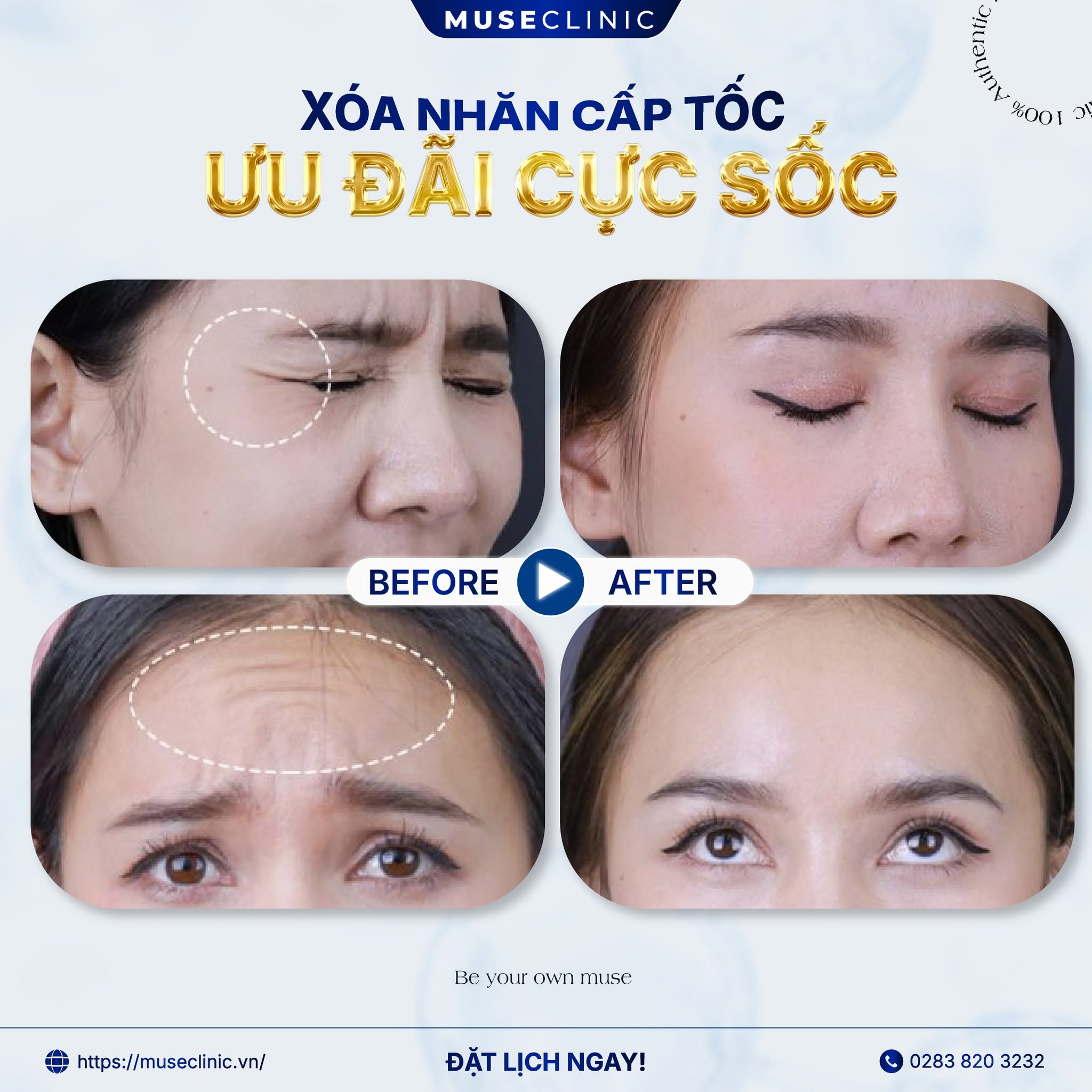
However, dermatology experts emphasize the importance of distinguishing between reduced treatment effectiveness caused by external factors and true immune-mediated Botox resistance. Antibody-related resistance is relatively rare. In many other cases, reduced results are associated with technical factors that can be reviewed and adjusted.
The Difference Between Reduced Botox Effectiveness and True Botox Resistance
-
Reduced Botox effectiveness (common usage): Less noticeable results may be caused by an insufficient dose, inaccurate injection technique, or changes in muscle structure and activity. In these cases, the issue does not necessarily mean that the body has developed resistance to the active ingredient.
-
True Botox resistance (medical definition): In some cases, the immune system produces neutralizing antibodies that interfere with Botulinum Toxin, potentially reducing or eliminating its effects.
5 Reasons Why Botox May Become Less Effective Over Time
If your Botox results are no longer as noticeable as they were during your first few treatments, there are five possible reasons to consider.
1. The Dose or Injection Sites May Not Be Appropriate
The effectiveness of Botulinum Toxin depends heavily on accurately identifying the target muscles, assessing their individual activity, selecting the appropriate injection sites, determining the correct dose in units, and using proper injection techniques.
Increasing the dose without a clear clinical reason does not necessarily improve results. In some cases, it may affect surrounding muscles and lead to unwanted outcomes.
2. Your Muscle Structure Changes Over Time
After repeated treatments, target muscles, such as the masseter muscles, may become smaller or change their natural movement patterns.
As a result, a treatment plan that previously worked well may no longer be suitable for your current muscle structure and activity. Your doctor may need to reassess the injection sites and dosage to achieve the desired outcome.
3. The Intervals Between Treatments Are Too Short
Repeated treatments at overly frequent intervals may increase the risk of neutralizing antibody formation in some individuals, although this is uncommon.
Your treatment schedule should be carefully tailored to your needs and your doctor's recommendations rather than following a fixed routine. Allowing sufficient time between treatments is important for appropriate treatment planning.
4. Product Quality and Injection Technique
Botulinum Toxin products require appropriate storage, handling, and preparation to maintain their potency.
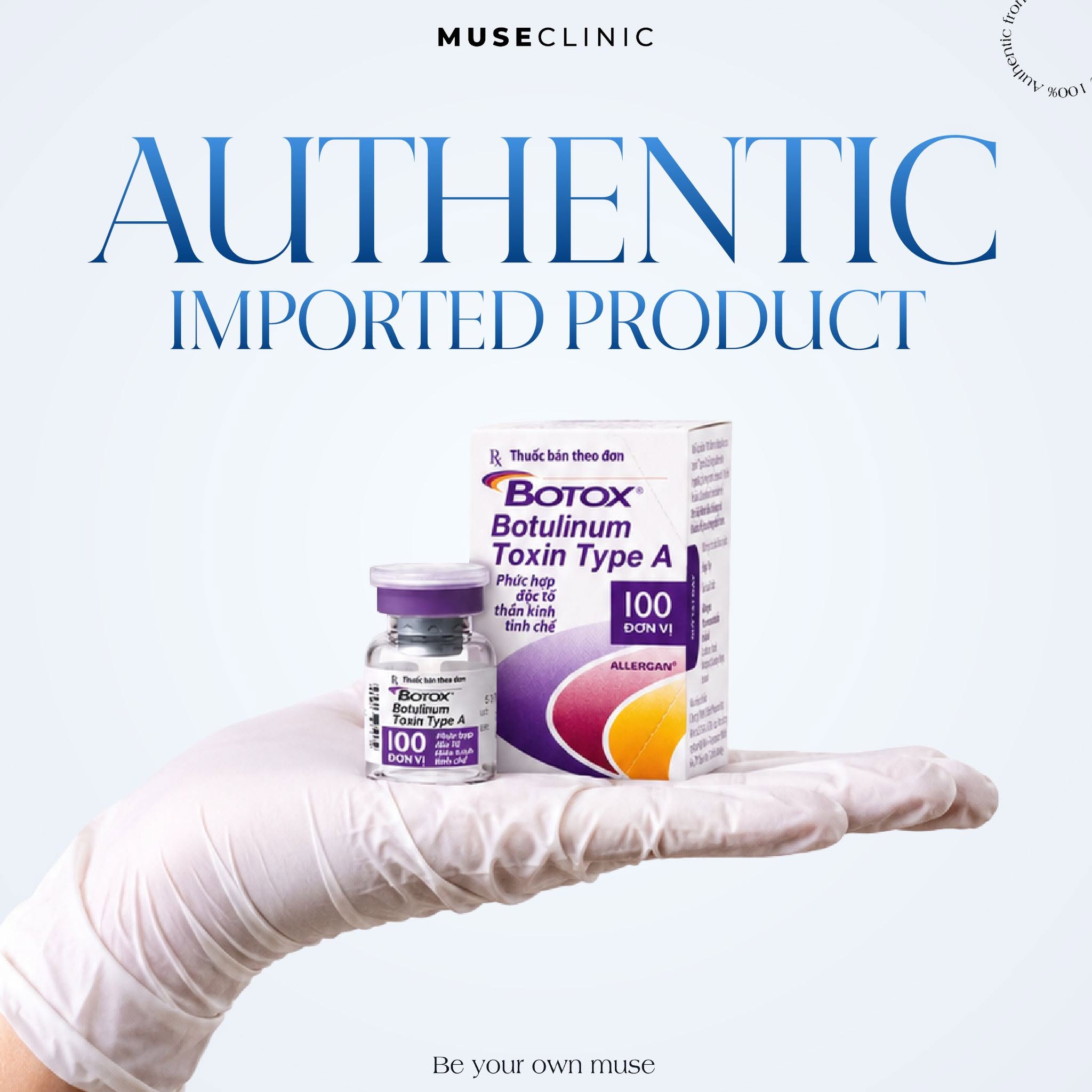
Using products from unreliable sources or following improper preparation procedures may compromise product quality and treatment effectiveness. Choosing authentic products and a qualified medical provider is essential.
5. The Concern May Not Be Related to Muscle Activity
As the face ages, a less defined facial contour or the appearance of wrinkles may be related to collagen loss, changes in fat distribution, or underlying bone structure.
In these situations, continuing to target the muscles with Botox may not address the actual cause of the concern. A different treatment approach may be more appropriate, depending on the individual's condition.

How Can You Tell Whether You Have Developed Botox Resistance?
Reduced results from a single treatment are not enough to confirm Botox resistance. To assess the situation accurately, a qualified doctor needs to review your treatment history, dosage, injection sites, and muscle response over time.
Consider consulting your doctor if you notice the following:
-
Noticeably reduced results: Facial slimming or wrinkle improvement becomes consistently less noticeable over several consecutive treatments.
-
Little or no muscle response: The target muscles show minimal relaxation despite an appropriate dosage and properly performed injections.
-
A shorter duration of results: The effects on wrinkles or facial slimming wear off considerably sooner than expected, such as within two months. This alone does not confirm resistance.
-
Limited improvement after treatment adjustments: Results remain unsatisfactory even after your doctor reviews and modifies the treatment plan, including considering a different Botulinum Toxin formulation when clinically appropriate.
A comprehensive medical assessment is necessary to determine whether the issue involves treatment technique, changes in muscle activity, individual response, or true immune-mediated resistance.
What Should You Do If Botox Seems Less Effective?
If you suspect that Botox is no longer working as well as before, the wrong approach is to seek additional injections or increase the dosage on your own. Unnecessary repeat treatments may increase the risk of side effects and, in some circumstances, antibody formation.
At Muse Clinic, evaluating reduced treatment response involves three key steps:
1. Reassessing Your Current Muscle Condition
A qualified doctor examines and palpates the relevant areas to assess muscle activity, the degree of muscle enlargement, and your actual aesthetic goals.
2. Reviewing Your Treatment History
Your doctor reviews the number of previous treatments, the intervals between sessions, the doses used, the products administered, and the specific areas treated.
3. Developing a Personalized Treatment Plan
Depending on the underlying cause, your doctor may adjust the injection sites or dosage, extend the intervals between treatments, or consider other advanced aesthetic treatments if Botox is no longer the most suitable option.
This careful assessment helps identify the likely cause of reduced effectiveness and supports treatment decisions that prioritize your individual needs and safety.
Should You Continue Getting Botox If It No Longer Works as Well?
You should not increase your dosage or shorten the intervals between treatments on your own to maintain your results.
When Botox appears less effective, receiving more injections without understanding the cause may increase unnecessary exposure and potential risks. Consult a qualified doctor to assess the situation before deciding whether to continue treatment or explore alternatives.
If Botulinum Toxin is no longer the most appropriate option for your concerns, your doctor may consider other treatments for lifting, skin rejuvenation, or facial contouring.
Depending on the underlying cause, options may include focused ultrasound technologies such as HIFU or Ultherapy, or radiofrequency (RF) treatments such as Titanium Lifting. The most suitable approach depends on factors such as skin laxity, fat distribution, and individual facial anatomy.
Frequently Asked Questions About Botox Resistance (FAQ)
Does Botox Always Become Less Effective After a Certain Period?
No. There is no fixed timeframe after which Botox inevitably becomes less effective.
Treatment response varies depending on factors such as dosage, treatment frequency, the product used, individual biology, muscle activity, and lifestyle. True immune-mediated resistance is possible but uncommon.
Can Repeated Botox Treatments Make Your Face Look Stiff?
Not necessarily. A stiff or unnatural facial appearance is not an inevitable result of repeated Botox treatments.
It may occur when the dosage or injection sites are not appropriate, affecting muscles involved in natural facial expressions. An individualized treatment plan and proper injection technique can help reduce this risk.
How Often Should You Get Botox for Safe and Effective Results?
-
Recommended intervals: For many cosmetic applications, treatments are commonly spaced around three to four months apart. However, the appropriate interval varies by product, treatment area, individual response, and the prescribing doctor's assessment. Avoid frequent touch-up injections without medical guidance.
-
When to consider another treatment: Your doctor can assess when muscle activity has sufficiently returned and whether another session is appropriate. Rather than following a fixed schedule or waiting for a specific percentage of muscle recovery, treatment timing should be based on your individual response and clinical needs.
If your Botox treatments once delivered excellent results but seem less effective now, do not rush to increase the dosage or repeat injections more frequently.
An in-person consultation allows a qualified doctor to assess your muscle activity, review your treatment history, and identify possible reasons for the change. This helps determine the most appropriate and safe next step for you.
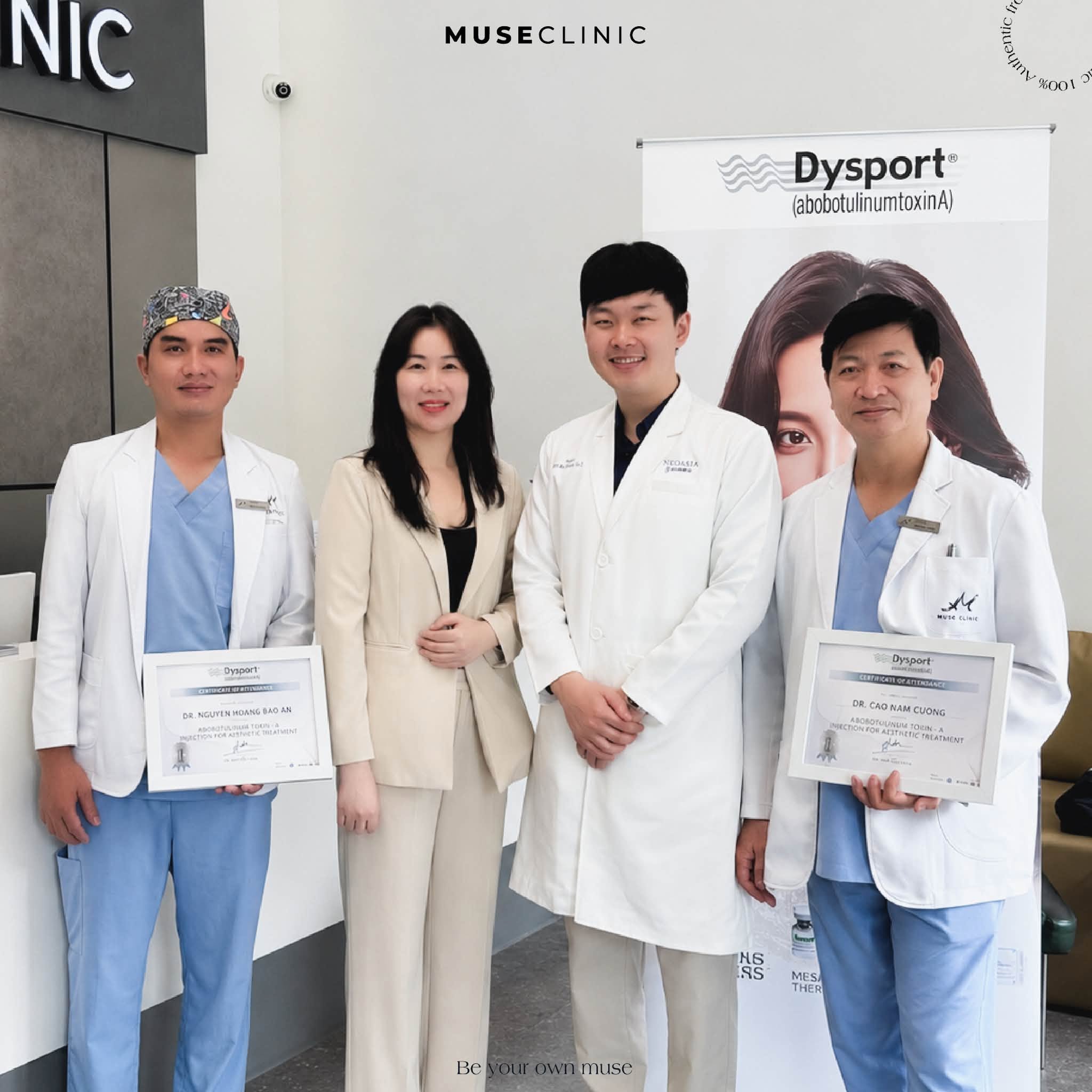
Let the doctors at Muse Clinic guide you with a personalized treatment plan tailored to your needs, helping you achieve your aesthetic goals through a thoughtful, science-based approach.
Other articles








Opening Hours:
Monday – Sunday: 10:00 AM – 8:00 PM
Business Registration Number: 0314668743
Issued on: October 9, 2017
Issued by: Ho Chi Minh City Department of Planning and Investment
Medical Practice License: No. 04818/HCM-GPHĐ