 en
 vi
How Long Does Botox for Wrinkle Reduction Last? When Should You Get a Touch-Up?
- 29/06/2026
- Beauty knowledge
With just a few small injections, wrinkles on the forehead, around the outer corners of the eyes, and between the eyebrows can be significantly reduced.
How Long Does Botox for Wrinkle Reduction Last? When Should You Get a Touch-Up?
Botox remains one of the most popular skin rejuvenation treatments at Muse Clinic, thanks to its noticeable results and quick, minimally invasive procedure. With just a few small injections, wrinkles on the forehead, around the outer corners of the eyes, and between the eyebrows can be significantly reduced. The result is a more relaxed, refreshed, and youthful appearance without altering your natural facial features.
However, Botox is not a permanent solution. After treatment, most clients have similar questions: How long will the results last? When should they schedule a touch-up to maintain the results? And can regular Botox injections make the face look stiff or unnatural?
If you are looking for answers to these questions, join Muse Clinic as we explore everything you need to know in the article below.

What Is Botox?
Every day, unconscious facial expressions such as smiling, squinting, and raising the eyebrows are repeated hundreds of times, gradually leaving their mark on the skin in the form of dynamic wrinkles. From a medical perspective, Botox (Botulinum Toxin Type A) works by temporarily blocking the nerve signals that trigger muscle contractions in the treated area. When these muscle groups relax and stop contracting excessively, the skin above them experiences less pulling, helping smooth the skin's surface and visibly soften wrinkles.
Unlike fillers, which restore lost volume or enhance facial contours, Botox does not add volume to the tissues or alter the natural structure of the face. Its primary purpose is to relax overactive muscles, from the facial muscles responsible for expression lines to the masseter muscles along the jawline.
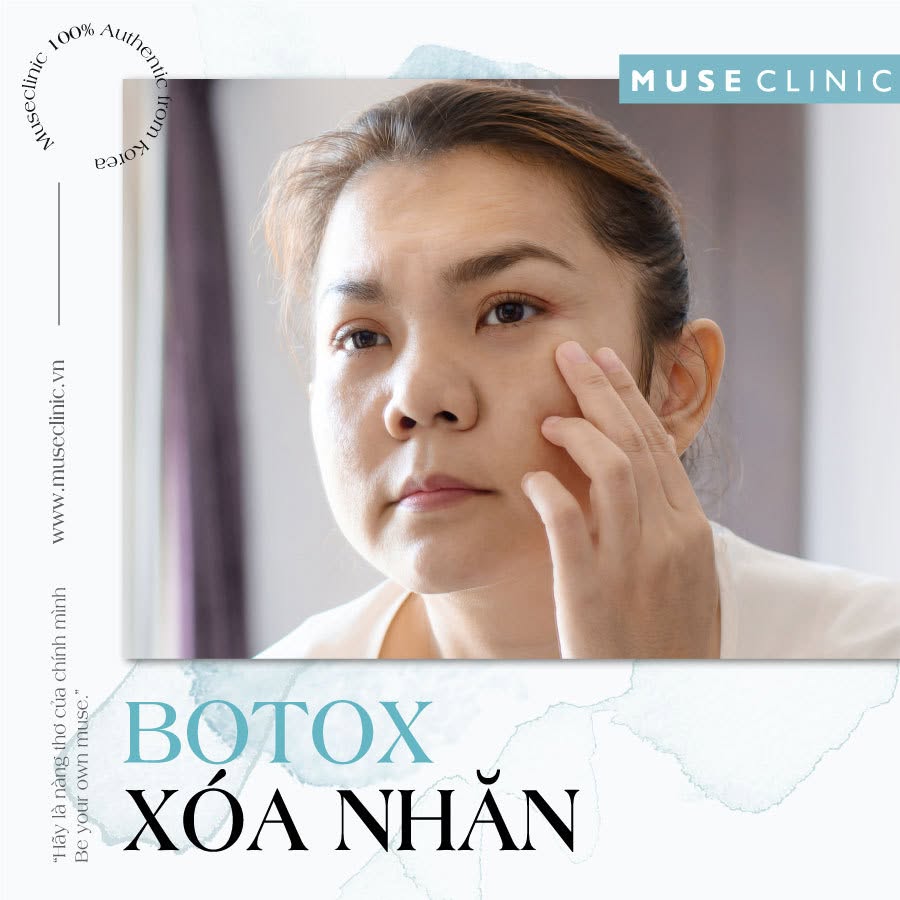
Botox helps relax overactive muscles to soften the appearance of wrinkles.
Where Is Botox Commonly Injected?
Many people think Botox is used exclusively to reduce forehead wrinkles. In reality, its applications are much more diverse.
-
Forehead: This is one of the first areas where wrinkles may appear. Horizontal lines that develop when raising the eyebrows can make the face look tired or older than it actually is.
-
Glabellar area (between the eyebrows): Vertical frown lines can create a tense or unapproachable appearance. Botox helps soften this area for a more relaxed look.
-
Crow's feet (outer corners of the eyes): Fine lines that appear when smiling are a common sign of skin aging. Botox can soften these lines while preserving a natural-looking smile.
-
Nose: Some people develop small lines along the sides of the nose when laughing or making strong facial expressions. These lines may also be improved with Botox.
-
Tail of the eyebrows: In suitable cases, Botox can create a subtle brow-lifting effect, helping the eyes appear more refreshed.
-
Jawline (masseter muscles): This is one of the most popular applications. For individuals with a square or broad-looking face due to overdeveloped masseter muscles from frequent clenching or teeth grinding, Botox can reduce muscle volume over time, helping create a slimmer, more refined jawline.
-
Neck (platysmal bands): As we age, the vertical bands of the neck muscles may become more prominent, especially when speaking. Botox injections in this area can soften the appearance of these bands and improve the appearance of the neck.
How Long Does Botox Last?
This is one of the most common questions people ask before starting treatment. In general, the effects of Botox last approximately 3 to 6 months, depending on the product used. However, the exact duration varies from person to person based on individual physiology and other factors.
Here is a general timeline of how Botox takes effect and gradually wears off:
-
After 3–7 days: Botox begins to take effect, relaxing the targeted muscle groups.
-
After 2 weeks: Results typically become most noticeable and stable. Wrinkles appear softer, while the masseter or shoulder muscles, when treated, may begin to feel more relaxed.
-
From the third month onward: The body gradually breaks down the effects of Botox, and nerve signaling begins to recover.
-
Between the fourth and sixth months: Muscle movement progressively returns, although the timing varies depending on the individual and the treatment area.
In addition to individual physiology, the duration of Botox results may be influenced by lifestyle and muscle activity. For example, two people of the same age receiving the same dose of Botox in the forehead may experience different results. Someone who frequently raises their eyebrows or engages in strenuous exercise may notice their results wearing off sooner, although exercise and sauna use do not consistently predict how long Botox will last.
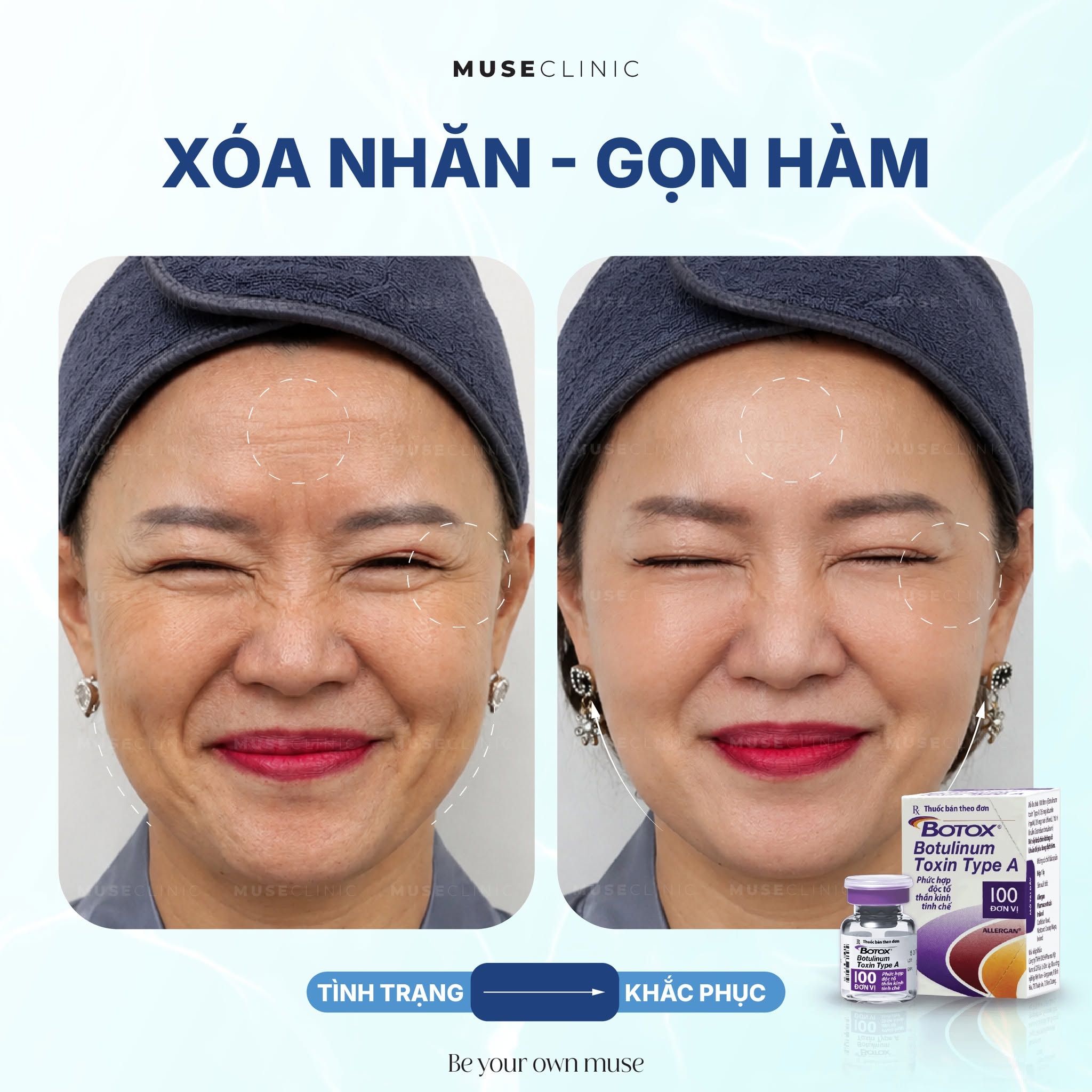
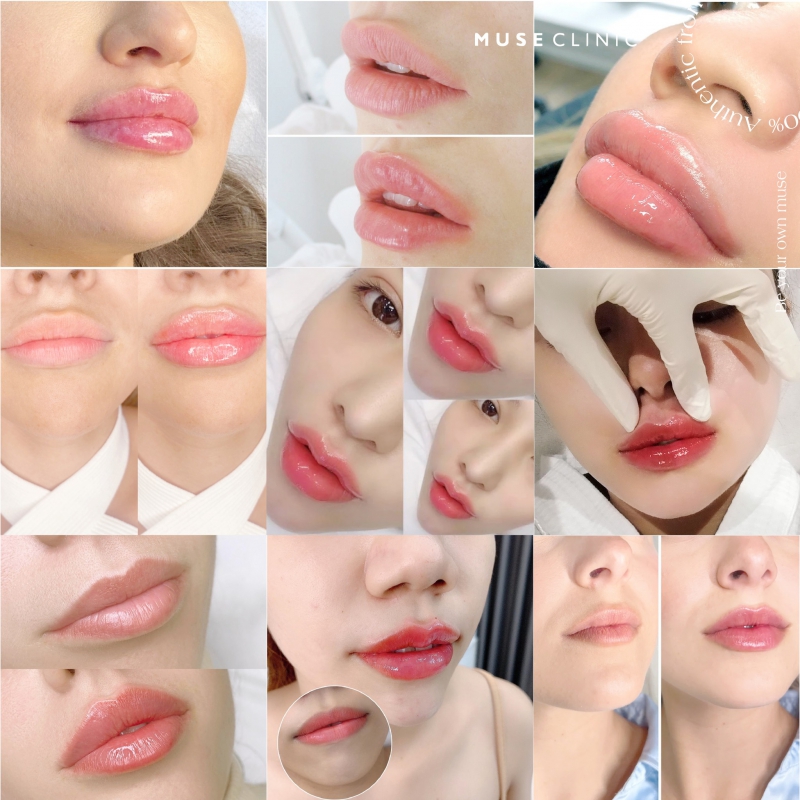
Visible results following Botox treatment at Muse Clinic.
What Factors Affect How Long Botox Lasts?
Four key factors can influence the duration of Botox results:
-
Individual physiology: Differences in muscle activity, metabolism, and other individual factors can influence how long the effects last.
-
Facial expression habits: People who frequently raise their eyebrows, smile broadly, or frown may notice the return of muscle movement and expression lines at different rates.
-
Age and skin condition: Early expression lines often respond well to Botox. Deep, longstanding wrinkles that remain visible even when the face is at rest may require additional treatment approaches.
-
Injection technique and product quality: Using an authentic product and having a qualified medical professional select the appropriate injection sites and dosage are essential for achieving safe, effective, and predictable results.
When Is the Ideal Time to Get a Botox Touch-Up?
Many people wait until Botox has completely worn off before returning for another treatment. However, the best timing depends on the individual's goals, the treated area, and the response to the previous session.
For many cosmetic applications, a follow-up assessment after approximately 3–4 months can help determine whether another treatment is appropriate. Some people may maintain their results for longer, and repeat injections should not be scheduled automatically without a medical assessment.
Timely follow-up may help:
-
Maintain a consistent appearance: Appropriate retreatment can help manage the gradual return of expression lines.
-
Support long-term wrinkle management: Relaxing targeted muscles can reduce repetitive skin folding and may help prevent dynamic wrinkles from becoming more pronounced over time.

Rather than waiting for wrinkles to become prominent again or automatically booking injections at fixed intervals, consult your doctor to determine the most appropriate timing based on your individual needs.
Visible results following Botox treatment at Muse Clinic.
At What Age Should You Consider Botox?
There is no single age that applies to everyone because skin aging and facial muscle activity vary from person to person.
Some people begin considering Botox in their late twenties or thirties, while others may not need it until later. Preventive Botox may be an option for suitable adults who notice early expression lines, particularly when wrinkles remain visible for longer after the facial expression has stopped.
The decision should be based on an individual assessment, realistic expectations, and a discussion with a qualified medical professional rather than age alone.
Can Botox Make Your Face Look Stiff?
This is one of the biggest concerns—and most common misconceptions—people have about Botox.
When performed appropriately, Botox does not have to eliminate facial expressions or create a “frozen” appearance. The goal is a balanced result: you can still smile, laugh, and express emotions naturally while the appearance of prominent expression lines is softened.
An overly stiff or unnatural result, drooping eyelids or eyebrows, or an imbalanced smile may occur when the dose, injection site, or treatment plan is unsuitable for the individual.
Potential contributing factors include:
-
Excessive dosage: Too much Botox can weaken targeted muscles more than intended.
-
Incorrect injection placement or technique: Injections performed without adequate anatomical knowledge may affect nearby muscles and lead to unwanted effects.
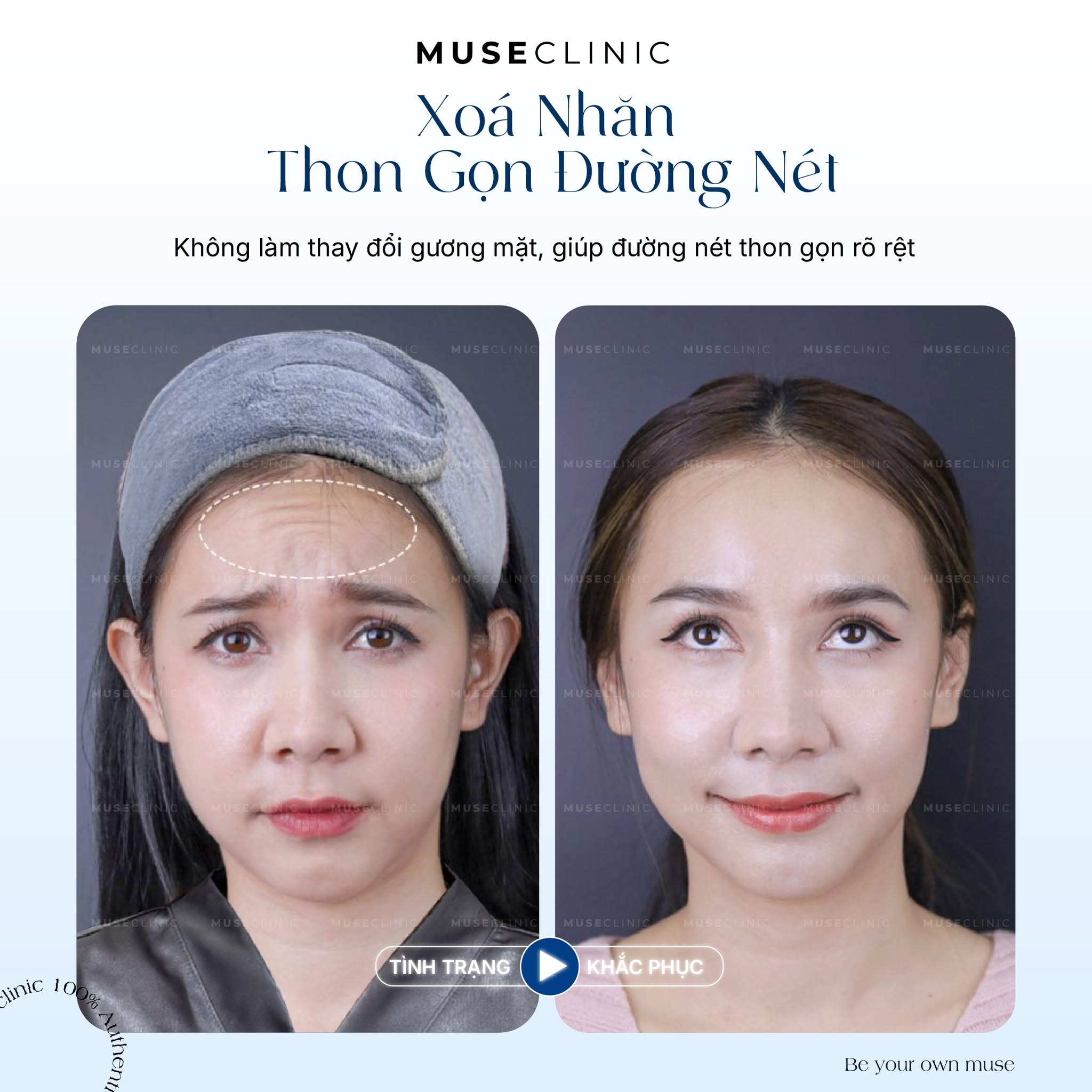
Visible results following Botox treatment at Muse Clinic.
When performed with appropriate technique and dosing, Botox can help preserve your individual expressions and natural facial character. Others may simply notice that you look more refreshed, youthful, and radiant without immediately recognizing that you have had a cosmetic procedure.
At Muse Clinic, a qualified doctor personally assesses each client before treatment, carefully evaluating facial muscle structure, expression patterns, and individual concerns to determine an appropriate dosage and injection plan.
Muse Clinic's goal is to soften visible signs of aging and create a more refreshed appearance while preserving the natural features that make you uniquely you.







Opening Hours:
Monday - Sunday: 10:00 AM – 8:00 PM
Business Registration Number: 0314668743
Issued on: October 9, 2017
Issued by: Ho Chi Minh City Department of Planning and Investment
Medical Practice License: No. 04818/HCM-GPHĐ