
 en
 vi
Persistent Acne Marks: Causes and Effective Ways to Improve Them
- 29/10/2026
- Beauty knowledge
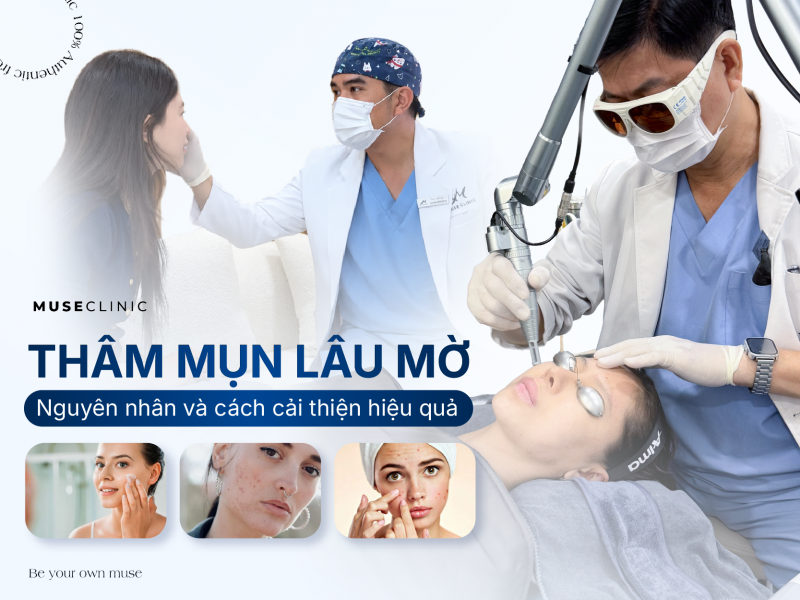
Persistent acne marks may be caused by skin inflammation, sun exposure, or an unsuitable skincare routine. Discover the causes of lingering acne marks and effective ways to improve them with Muse Clinic.
- What Are Persistent Acne Marks?
- Why Do Acne Marks Take So Long to Fade?
- Prolonged Acne Inflammation
- Inadequate Sun Protection
- Frequently Picking or Squeezing Pimples
- Using Unsuitable Skincare Products
- Deeper Pigmentation or Skin Prone to Post-Inflammatory Hyperpigmentation
- How Long Does It Take for Acne Marks to Fade?
- How to Improve Persistent Acne Marks at Home
- Use Sunscreen Every Day
- Choose Active Ingredients That Help Fade Acne Marks
- Maintain a Gentle Skincare Routine
- Manage New Acne Breakouts
- When Should You Consult a Dermatologist?
- Professional Treatments at Muse Clinic to Help Improve Acne Marks
- 1. Laser Toning – Helping Improve Skin Pigmentation
- 2. Gold Toning Laser – Helping Reduce Dark Pigmented Spots
- 3. Dual Toning Laser – Supporting Pigmentation Improvement for a More Even Complexion
- 4. Exocode Plus – Supporting Skin Recovery and Improving Overall Skin Quality
- Frequently Asked Questions About Persistent Acne Marks
- Do Persistent Acne Marks Fade on Their Own?
- Should I Squeeze Pimples to Prevent Acne Marks?
- Can Vitamin C Help Fade Acne Marks?
- Are Acne Marks the Same as Acne Scars?
- Can Long-Standing Acne Marks Still Improve?
- Conclusion
Persistent Acne Marks: Causes and Effective Ways to Improve Them
Persistent acne marks are a concern for many people, even after acne breakouts have disappeared. Brown, dark brown, or red marks left behind after acne can make the skin look uneven and dull, affecting overall confidence. So, why do acne marks take so long to fade? What are the safe and effective ways to improve post-acne pigmentation based on different skin conditions?
Join Muse Clinic as we explore the causes of persistent acne marks and effective skincare approaches to help improve your complexion in the article below.
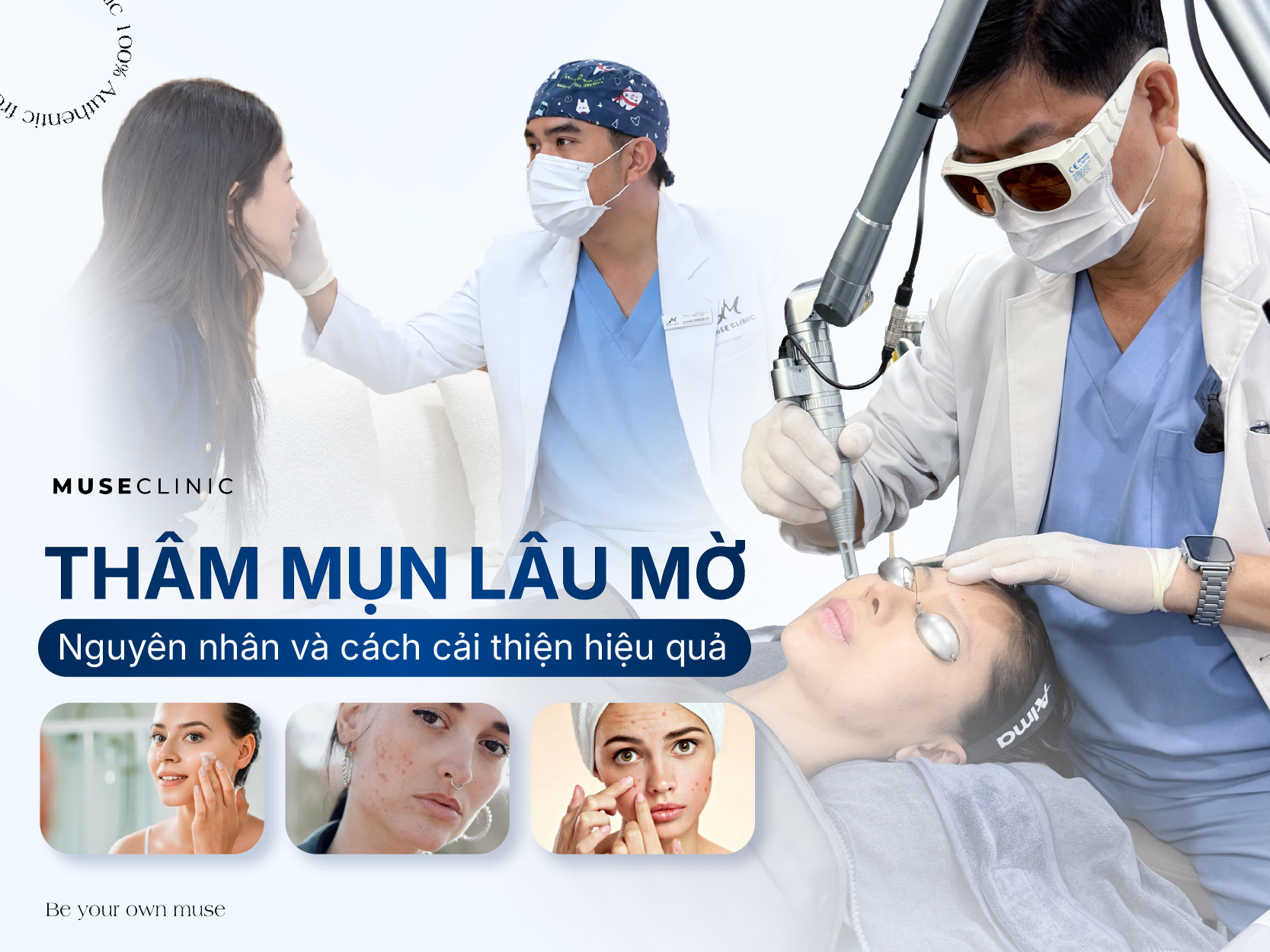
What Are Persistent Acne Marks?
Acne marks occur when areas of the skin that previously had acne develop changes in color after the inflammation has healed. This is common in people whose skin is prone to post-inflammatory hyperpigmentation, particularly after severe inflammatory acne, prolonged breakouts, or repeated irritation during skincare.
Acne marks are generally divided into two common types:
-
Brown or dark brown acne marks: These are often associated with post-inflammatory hyperpigmentation (PIH). Following inflammation, the skin produces or accumulates excess melanin in the affected area, making it appear darker than the surrounding skin.
-
Red or pink acne marks: These may be associated with post-inflammatory erythema (PIE), which typically appears as red or pink patches after acne has healed.
Although these two conditions may look similar, their underlying mechanisms differ. Therefore, identifying the correct type of acne mark is an important step in choosing an appropriate approach to improvement.
It is also important to note that flat acne marks are not the same as atrophic acne scars. If the skin appears indented, raised, or visibly altered in texture, you may be experiencing acne scarring, which requires a different assessment and treatment approach.
Why Do Acne Marks Take So Long to Fade?
Not all acne marks fade at the same rate. The time required for improvement depends on the severity of the initial inflammation, the depth of the pigmentation, individual skin characteristics, and post-acne skincare habits.

Prolonged Acne Inflammation
When inflammatory acne develops, the body activates an inflammatory response to address the affected tissue. This process can stimulate pigment-producing cells to increase melanin production, leading to dark marks after the acne heals.
The more severe or prolonged the inflammation, the greater the risk of developing noticeable, persistent acne marks. This is why early acne management plays an important role in minimizing post-acne discoloration.
Inadequate Sun Protection
Ultraviolet (UV) radiation can stimulate melanin production and make areas of hyperpigmentation appear darker. Therefore, even after acne has cleared, failing to use sunscreen consistently may cause acne marks to persist longer or become more difficult to improve.
This is one reason why some people continue to experience uneven skin tone despite following a relatively thorough skincare routine.
Frequently Picking or Squeezing Pimples
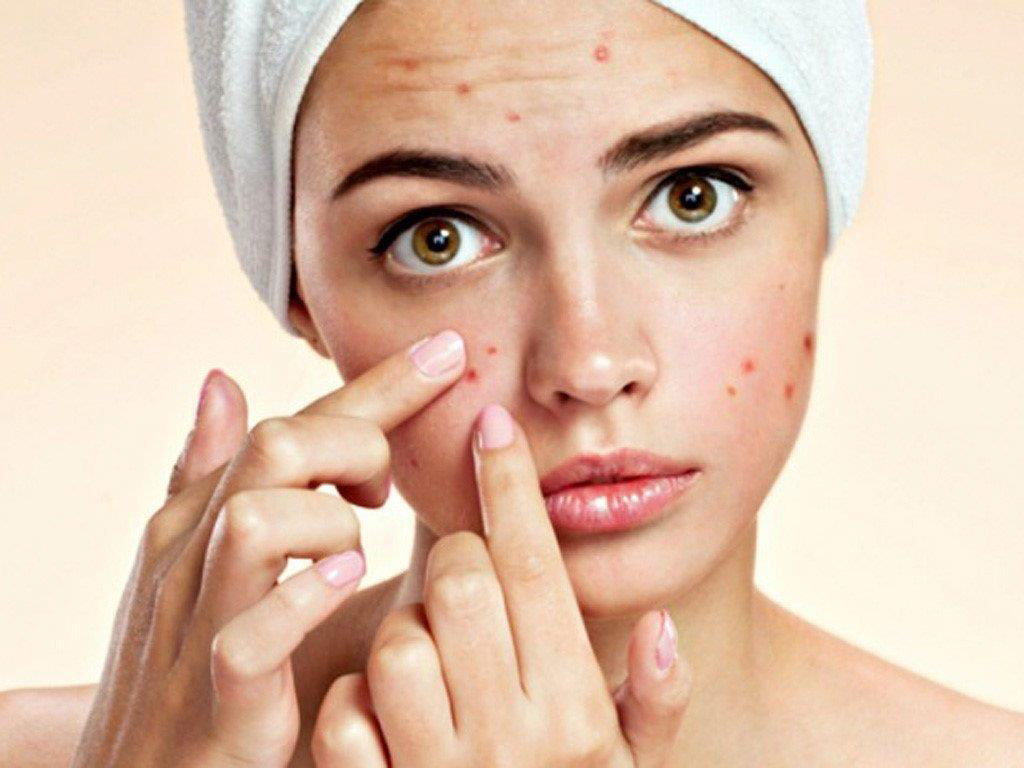
Squeezing pimples, picking at scabs, or applying excessive pressure to inflamed skin can damage tissue and prolong inflammation. This increases the risk of post-acne marks and may also lead to acne scarring.
Even after a pimple has dried out, forcibly removing scabs or rubbing skin that is still healing can cause unnecessary irritation.
Using Unsuitable Skincare Products
Products containing strong active ingredients, excessive application frequency, or combinations of potentially irritating ingredients can cause redness, peeling, and a weakened skin barrier.
In particular, using unverified skin-lightening products or unregulated whitening creams may have serious consequences for the skin. When irritation occurs repeatedly, the risk of post-inflammatory hyperpigmentation may also increase.
Deeper Pigmentation or Skin Prone to Post-Inflammatory Hyperpigmentation
Some acne marks primarily affect the epidermis, while others involve pigment located deeper within the skin. The deeper the pigmentation, the longer improvement may take.
Additionally, people with skin that is prone to post-inflammatory hyperpigmentation may notice that their acne marks appear darker and remain visible for longer after a breakout.
How Long Does It Take for Acne Marks to Fade?
The time required for acne marks to fade depends on several factors, so there is no fixed timeline that applies to everyone.
Mild, superficial acne marks may gradually improve over time with appropriate skincare. However, many cases require several months before noticeable changes occur. Some areas of hyperpigmentation may persist for 6–12 months or even longer, particularly when the pigment is located deeper in the skin.
Factors that influence how quickly acne marks fade include:
-
The severity of the original acne inflammation.
-
The location and depth of the pigmentation.
-
The skin's natural recovery capacity.
-
The frequency of sun exposure.
-
The suitability and consistency of the skincare routine.
-
The management of new acne breakouts.
Rather than trying to eliminate acne marks quickly through aggressive treatments, it is better to prioritize acne control, skin protection, and solutions suited to your skin's current condition.
How to Improve Persistent Acne Marks at Home
For mild acne marks and skin without significant active inflammation, a consistent at-home skincare routine may help improve pigmentation over time.
Use Sunscreen Every Day
Sunscreen is an essential step in improving acne marks. Choose a broad-spectrum sunscreen with SPF 30 or higher that suits your skin type.
If you have oily or acne-prone skin, consider products labeled non-comedogenic, meaning they are formulated to minimize the risk of clogged pores.
When spending time outdoors, apply an adequate amount, reapply according to the product instructions, and combine sunscreen with appropriate sun-protective measures. Consistent sun protection helps prevent acne marks from becoming darker and supports the skin's pigmentation-improvement process.
Choose Active Ingredients That Help Fade Acne Marks
Several active ingredients may be considered in a skincare routine designed to improve post-acne hyperpigmentation.
Niacinamide: Supports the skin barrier and may help improve the appearance of uneven skin tone. It is commonly found in everyday skincare products.
Vitamin C: Offers antioxidant benefits and may help improve the appearance of pigmentation, leaving the skin looking brighter. Choose a formulation that suits your skin's sensitivity.
Azelaic Acid: May help improve post-inflammatory hyperpigmentation and can also be beneficial for managing certain types of acne. The appropriate concentration and frequency of use depend on your skin condition.
Retinoids: May help manage acne and improve post-inflammatory hyperpigmentation. However, retinoids can cause dryness, peeling, or irritation, so they should be used according to appropriate guidance.
Note: Avoid introducing all these active ingredients at the same time. Introduce products gradually, monitor your skin's response, and adjust the frequency of use when necessary. If your skin is already red, irritated, or peeling significantly, prioritize skin-barrier recovery before adding new active ingredients.
Maintain a Gentle Skincare Routine
A basic skincare routine may include:
-
Morning: Gentle cleansing, moisturizing, and sunscreen.
-
Evening: Cleansing, an appropriate active ingredient if well tolerated, and moisturizing.
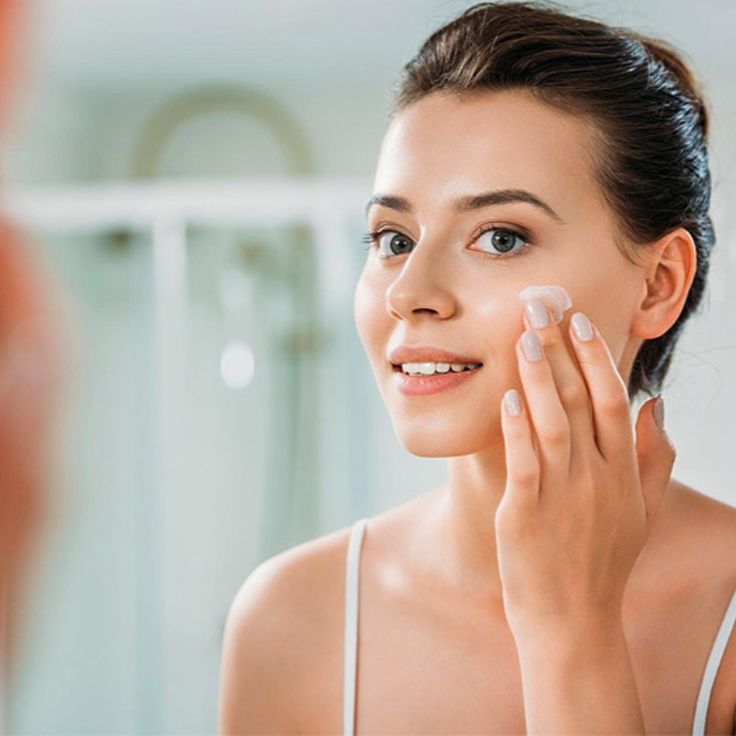
Avoid exfoliating too frequently, rubbing the skin aggressively, or using multiple potentially irritating products at the same time.
More importantly, maintain a consistent routine and allow sufficient time to evaluate your skin's progress instead of frequently switching products.
Manage New Acne Breakouts
If new pimples continue to develop, additional acne marks may appear before existing ones have had time to fade.
Therefore, managing acne marks involves more than addressing pigmentation alone. It is also important to control the underlying causes of acne. If breakouts persist, recur frequently, or involve multiple deep inflammatory lesions, consult a dermatologist for appropriate treatment guidance.
When Should You Consult a Dermatologist?
Consider seeking professional advice if:
-
Acne marks have persisted for several months with little improvement despite appropriate skincare.
-
Inflammatory acne frequently returns or deep, painful pimples develop.
-
Your skin becomes red, irritated, or excessively flaky after using skincare products.
-
Unusual pigmented areas appear, change rapidly, or do not resemble typical post-acne marks.
-
You are considering professional treatments such as chemical peels, laser procedures, or other advanced approaches to pigmentation improvement.
A professional assessment can help distinguish post-inflammatory marks from other pigmentation concerns and determine a more suitable skincare or treatment plan for your individual needs.
Professional Treatments at Muse Clinic to Help Improve Acne Marks
1. Laser Toning – Helping Improve Skin Pigmentation
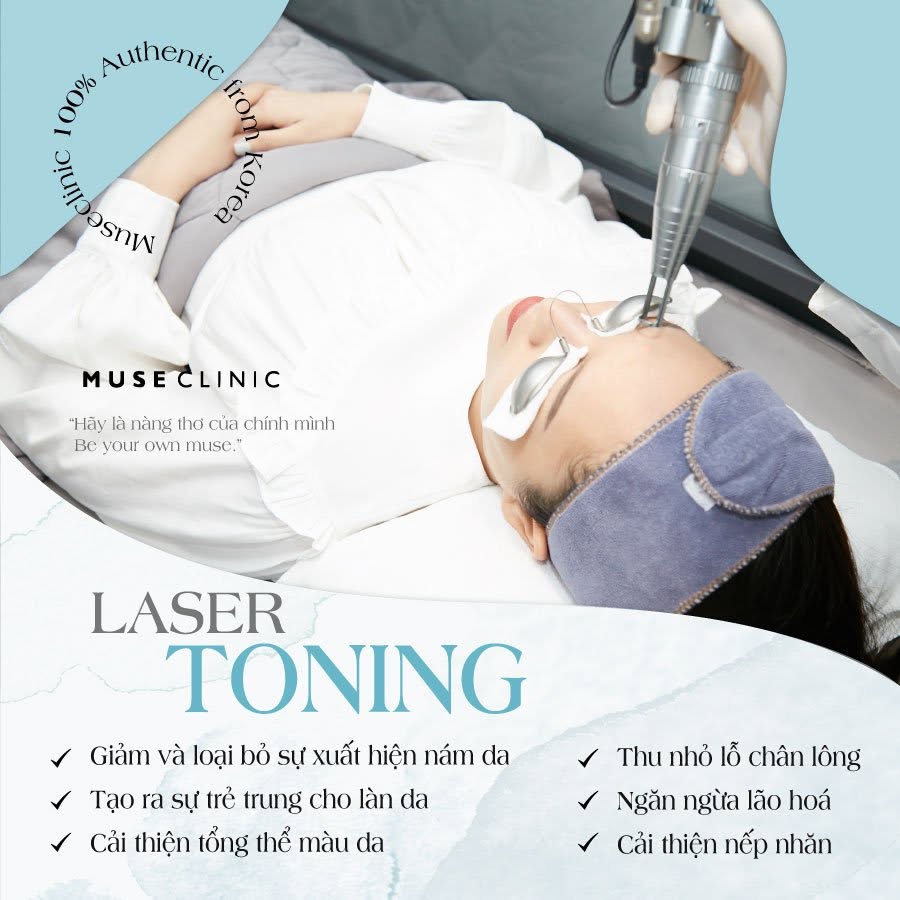
With its selective targeting of melanin, Laser Toning may help improve hyperpigmentation, reduce the appearance of dark spots, and promote a more even-looking complexion.
This treatment may be considered for certain cases of brown post-acne marks, depending on the type of pigmentation and the skin's actual condition. Appropriate parameter selection is important to help minimize irritation and the risk of post-inflammatory hyperpigmentation.
2. Gold Toning Laser – Helping Reduce Dark Pigmented Spots
Gold Toning Laser is designed to address uneven skin tone and dark pigmented spots. Depending on the technology and treatment parameters used, it may help improve certain forms of hyperpigmentation, leaving the skin looking brighter and more even.
For acne marks, correctly identifying the type of pigmentation before treatment is essential to selecting an appropriate approach and reducing the risk of further darkening.
3. Dual Toning Laser – Supporting Pigmentation Improvement for a More Even Complexion
Dual Toning Laser combines two laser treatment modes within a single procedure. Depending on the device and treatment protocol used at the clinic, this approach may target different pigmentation concerns and help improve uneven skin tone.
For skin with post-acne marks, the doctor will assess the color, intensity, and depth of the pigmentation, along with the condition of the skin barrier, before considering a suitable treatment. Combining professional care with appropriate skincare and sun protection can also help minimize the risk of pigmentation becoming darker again.
4. Exocode Plus – Supporting Skin Recovery and Improving Overall Skin Quality
After acne, the skin may be affected not only by dark marks but also by an uneven texture and a weakened skin barrier. Exocode Plus may be considered as part of a professional skincare plan, depending on the technology, ingredients, and specific treatment indications offered at Muse Clinic.
The choice of a skin-recovery treatment should be based on the skin's actual condition, particularly if active inflammatory acne or post-breakout sensitivity is still present.
To improve persistent acne marks appropriately, the focus should not be limited to reducing pigmentation. It is equally important to prevent new breakouts, maintain the skin barrier, and use sun protection daily.

Frequently Asked Questions About Persistent Acne Marks
Do Persistent Acne Marks Fade on Their Own?
Many post-acne marks gradually become lighter over time. However, the rate of improvement depends on the depth of the pigmentation, the severity of inflammation, and skincare habits. Some cases may require several months or longer before noticeable improvement occurs.
Should I Squeeze Pimples to Prevent Acne Marks?
You should avoid squeezing pimples yourself, especially when they are inflamed or located deep beneath the skin. Improper manipulation can increase tissue damage, prolong inflammation, and raise the risk of post-acne marks or scarring.
Can Vitamin C Help Fade Acne Marks?
Vitamin C may help improve the appearance of uneven skin tone through its antioxidant properties and its role in supporting pigmentation management. However, results depend on the product formulation, skin tolerance, and consistent use alongside sun protection.
Are Acne Marks the Same as Acne Scars?
No. Acne marks primarily involve changes in skin color following inflammation, whereas acne scars involve structural changes in the skin tissue, such as indented or raised scars. These conditions require different assessments and approaches to improvement.
Can Long-Standing Acne Marks Still Improve?
Long-standing acne marks may still improve in many cases, but results depend on the type and depth of pigmentation. Following a professional assessment, a dermatologist may recommend suitable topical ingredients or advanced treatments. No single method can guarantee the complete removal of every acne mark.
Conclusion
Persistent acne marks can result from several factors, including inflammation, sun exposure, unsuitable skincare habits, or pigmentation located deeper in the skin. To improve these concerns, it is important to combine acne management, consistent sun protection, a gentle skincare routine, and appropriate active ingredients.
If your acne marks persist or do not improve as expected, a professional skin assessment can help determine a more suitable approach.
At Muse Clinic, you can explore personalized skincare solutions and pigmentation-improvement treatments tailored to your individual needs. Treatment selection should be based on your actual skin condition and a doctor's professional advice rather than applying the same approach to everyone.
Contact Muse Clinic if you are concerned about persistent acne marks to receive a consultation and guidance on suitable next steps.
Other articles







Opening Hours:
Monday - Sunday: 10:00 AM – 8:00 PM
Business Registration Number: 0314668743
Issued on: October 9, 2017
Issued by: Ho Chi Minh City Department of Planning and Investment
Medical Practice License: No. 04818/HCM-GPHĐ